
If you’re buying or selling a home in Plant City, there’s one inspection that often flies under the radar, until it becomes a deal-breaker. We’re talking about the Level II chimney inspection.
Most homeowners know about general home inspections, roof checks, and HVAC evaluations. But chimneys? They tend to get overlooked, even though they’re a critical safety component of any home with a fireplace. And here’s the thing: a standard home inspection doesn’t dive deep enough into your chimney‘s condition to catch the problems that really matter during a real estate transaction.
At A Sweep Across the Bay, we’ve serviced thousands of customers throughout the Tampa Bay area, including Plant City, Lakeland, Brandon, and beyond, and we’ve seen firsthand how a thorough chimney inspection can make or break a home sale. Whether you’re the buyer hoping to avoid costly surprises or the seller looking to close without complications, understanding what a Level II inspection involves could save you thousands of dollars and a whole lot of stress.
What Is a Level II Chimney Inspection?
A Level II chimney inspection is a comprehensive examination that goes beyond what most homeowners are used to. It’s specifically designed for situations where changes are happening, whether that’s a property transfer, a change in fuel type, or after an event like a chimney fire or severe weather.
During a Level II inspection, our technicians examine all accessible areas of your chimney, both interior and exterior. We use specialized video scanning equipment to inspect the flue liner, checking for cracks, damage, or deterioration that wouldn’t be visible to the naked eye. We also verify proper clearances from combustibles, examine the attic and crawl spaces where the chimney passes through, and assess the overall structural integrity of the system.
This type of inspection is recommended by both the NFPA (National Fire Protection Association) under Code 211 and the Chimney Safety Institute of America (CSIA), particularly upon the sale or transfer of a property. It’s not just a suggestion, it’s considered industry standard for real estate transactions.
How It Differs From Level I and Level III Inspections
So what makes a Level II different from the other inspection levels? Let’s break it down.
Level I Inspection: This is your basic annual inspection. It’s recommended when your fireplace, chimney, and venting system are easily accessible and you plan to maintain their current use. During a Level I, we verify that your fireplace and chimney structures are sound, free of obstructions, and clear of combustible deposits like creosote. It’s what we perform during routine chimney cleaning services and is appropriate for most homeowners who use their fireplaces regularly.
Level II Inspection: This builds on Level I but includes a more thorough examination. We access areas like attics, basements, and crawl spaces. We also use video scanning technology to inspect areas that can’t be seen otherwise. A Level II is required when there’s been a change in the system, like a property sale, a modification to the chimney, or after an operational malfunction.
Level III Inspection: This is the most invasive type of inspection and involves removing components of the chimney or building structure to gain access. It’s typically only performed when serious hazards are suspected but can’t be evaluated through Level I or II methods. Think of it as the “last resort” inspection when something significant is clearly wrong.
For most real estate transactions in Plant City, a Level II inspection hits the sweet spot, thorough enough to uncover hidden issues, but not so invasive that it requires tearing apart the chimney structure.
Why Real Estate Transactions Require Level II Inspections
Real estate transactions are stressful enough without surprise chimney problems derailing negotiations at the eleventh hour. That’s precisely why Level II inspections have become standard practice when properties change hands.
The CSIA strongly recommends an inspection upon the sale or transfer of any property with a chimney. Why? Because chimneys age in ways that aren’t always visible. Deterioration happens gradually, inside the flue, behind walls, in areas you’d never think to check. A buyer’s general home inspector isn’t equipped to catch these issues, and sellers often have no idea problems even exist.
Protecting Buyers From Hidden Chimney Damage
As a buyer, you’re making one of the biggest investments of your life. The last thing you want is to close on your dream home only to discover the chimney needs ,000 in repairs, or worse, that it poses a fire hazard.
Hidden chimney damage is more common than most people realize. Missing or cracked chimney liners, deteriorating mortar joints, creosote buildup, and water damage from Florida’s frequent summer rainstorms can all lurk undetected. These issues create serious safety concerns, including the risk of chimney fires and carbon monoxide leaking into your home.
Chimney fires are a significant concern in the United States, with approximately 14,000 occurring annually, primarily caused by creosote buildup. Each year, unsafe fireplaces and chimneys account for more than $200 million in property losses and cause significant numbers of injuries and deaths.
A Level II inspection gives you the full picture before you sign on the dotted line. If issues are found, you can negotiate repairs with the seller or adjust your offer accordingly. Either way, you’re making an well-informed choice.
Helping Sellers Avoid Last-Minute Deal Complications
Sellers, listen up, getting a Level II inspection before listing your home can actually work in your favor.
We’ve seen too many deals fall apart because a buyer’s inspection uncovered chimney problems the seller didn’t know about. Suddenly, there’s renegotiation, delays, and sometimes the buyer walks away entirely. All because of something that could have been addressed ahead of time.
By proactively getting your chimney inspected, you can identify and repair any issues before they become negotiating leverage for the buyer. You can also market your home with confidence, knowing the chimney is in good working order. Some sellers even include the inspection report in their listing materials as a selling point.
At A Sweep Across the Bay, we help sellers throughout Plant City and the greater Tampa Bay area get ahead of potential problems. A little preparation now can prevent major headaches at closing.
Common Chimney Issues Found in Plant City Homes
Plant City’s climate presents some unique challenges for chimneys. Between the humidity, those intense summer rainstorms, and the occasional cold snap that has everyone lighting up their fireplaces, local chimneys take a beating in ways that homeowners in other parts of the country might not experience.
Here are the most common issues we encounter during Level II inspections in Plant City homes:
Creosote Buildup: This is the number one cause of chimney fires nationwide. When wood burns, it produces gases that condense on the cooler chimney walls, forming creosote, a highly flammable, tar-like substance. If left unchecked, creosote can ignite and cause a chimney fire that warps and cracks the structure, exposing your home’s framework to fire risk.
Missing or Damaged Chimney Liners: The chimney liner is your first line of defense. It contains and directs combustion products safely outside while protecting the chimney masonry from moisture damage. A cracked or missing liner is a serious safety hazard that we see more often than you’d expect in older Plant City homes.
Water Damage: Florida’s rainy season is no joke. Water intrusion is one of the most destructive forces a chimney can face. It deteriorates mortar joints, rusts dampers, and can cause the flue liner to crack. If you’ve noticed water coming into your fireplace during storms, that’s a red flag that needs immediate attention.
Structural Cracks: Over time, the masonry can develop cracks from settling, thermal expansion, or moisture damage. These cracks compromise the chimney‘s structural integrity and can allow heat to reach combustible materials in your home.
Animal Infestations: Birds, squirrels, and raccoons love making homes in chimneys. Beyond the obvious blockage issues, animal nests create fire hazards and can introduce parasites and diseases into your home.
Clearance Violations: Building codes require specific distances between chimneys and combustible materials. Older homes or those with unpermitted modifications sometimes don’t meet these clearances, creating a hidden fire risk.
At A Sweep Across the Bay, we excel at identifying these issues and recommending the right course of action for our customers.
What to Expect During the Inspection Process
If you’ve never had a Level II chimney inspection, you might be wondering what the process actually looks like. Here’s what you can expect when our team arrives at your Plant City home.
Initial Assessment: We start with a conversation. We’ll ask about the chimney’s history, how often you use it, any problems you’ve noticed, and why you’re getting the inspection (sale, purchase, or routine maintenance). This background helps us know what to look for.
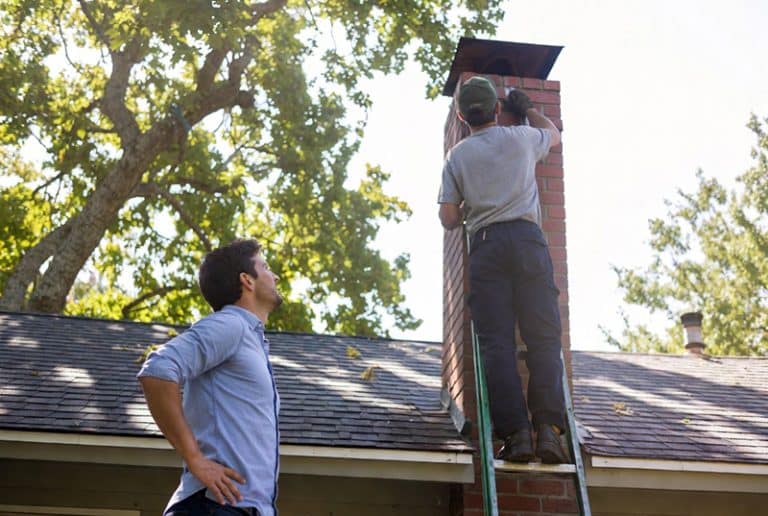
Exterior Examination: Our technician will inspect the chimney from outside your home, checking the crown, cap, flashing, and masonry for visible damage, cracks, or deterioration. We’ll also look at the chimney’s overall structural condition.
Interior Inspection: Inside, we’ll examine the firebox, damper, smoke chamber, and all accessible portions of the chimney. We’re checking for creosote deposits, damage, proper clearances, and any signs of previous fires or water intrusion.
Video Scanning: This is where Level II really differs from Level I. We insert a specialized camera into the flue to examine every inch of the liner and interior surfaces. This technology allows us to spot cracks, gaps, and deterioration that would be impossible to see otherwise.
Accessible Areas: We’ll also inspect attic spaces, crawl spaces, and basements where the chimney passes through, anywhere we can safely access without removing building components.
Documentation: After the inspection, you’ll receive a detailed report documenting our findings. This report, sometimes called a condition report or fireplace inspection report, provides visual documentation of age, wear, and any issues that need attention. For real estate transactions, this report becomes a valuable document for negotiations.
The entire process typically takes between one to two hours, depending on the complexity of your chimney system and the accessibility of various areas.
Choosing a Qualified Chimney Inspector in Plant City
Not all chimney inspectors are created equal. When you’re dealing with something as important as fire safety and a major real estate transaction, you want someone who knows what they’re doing.
Here’s what to look for when choosing a chimney inspector in Plant City:
CSIA Certification: The Chimney Safety Institute of America certifies chimney professionals who have demonstrated their knowledge and expertise. A CSIA-certified inspector has met rigorous standards and stays current on industry best practices.
Experience: There’s no substitute for years of hands-on experience. An inspector who has seen thousands of chimneys will spot problems that someone newer to the trade might miss.
Proper Equipment: Level II inspections require video scanning equipment to thoroughly examine the flue. Make sure any inspector you hire has the technology needed to do the job right.
Local Knowledge: A chimney inspector familiar with Plant City and the Tampa Bay area understands the specific challenges our climate presents, from humidity and heavy rains to the effects of Florida’s unique soil conditions on foundations and structures.
Reputation: Look for reviews, ask for references, and check how long the company has been in business. A company that’s been around for decades has a track record you can verify.
Comprehensive Services: Ideally, you want an inspector who can also perform any necessary repairs. This streamlines the process and ensures consistency.
A Sweep Across the Bay is a family-owned and operated business with over 44 years of experience cleaning, repairing, and maintaining chimneys and fireplaces throughout the Tampa Bay area. We serve Plant City, Tampa, Lakeland, Brandon, Clearwater, St. Petersburg, Sarasota, and everywhere in between. Our mission has always been to help people understand why regular inspection and maintenance of their chimneys matters, and to provide that service with complete peace of mind.
Getting started is easy. Give us a call or complete our appointment form to schedule your chimney inspection today.
Conclusion
Whether you’re buying your first home in Plant City or selling a property you’ve owned for years, a Level II chimney inspection isn’t just a formality, it’s protection.
For buyers, it’s the assurance that you won’t inherit expensive problems or, worse, a safety hazard that puts your family at risk. For sellers, it’s the confidence of knowing your sale won’t get derailed by unexpected findings and the ability to address any issues on your own terms.
Chimney fires cause thousands of incidents and hundreds of millions in property damage every year. The good news? Most of that damage is preventable with proper inspection and maintenance.
Your fireplace and chimney system are important parts of your home. Make fireplace and chimney examinations a regular part of your home maintenance schedule, and definitely make them a priority during any real estate transaction.
At A Sweep Across the Bay, we aim to provide our commercial and residential customers with complete peace of mind, knowing that their chimneys are in safe and proper working order. If you’re buying, selling, or simply want to ensure your Plant City home is safe, we’re here to help. Reach out today to schedule your Level II chimney inspection.
