
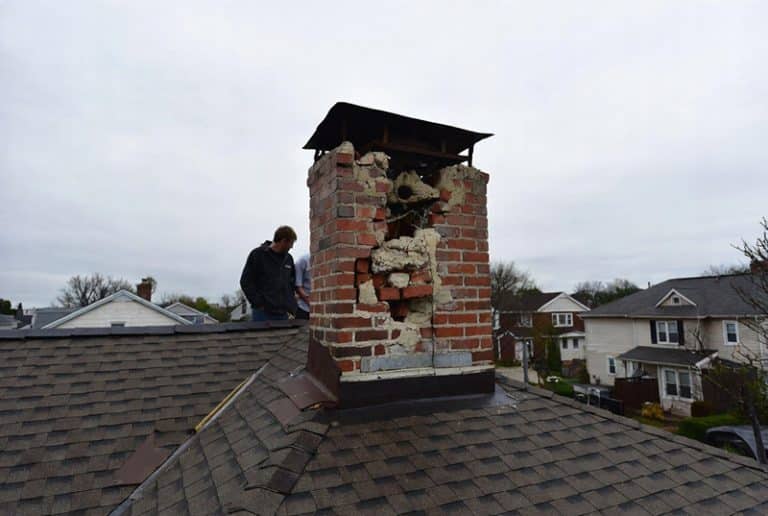
If you’ve noticed water stains near your fireplace or spotted cracks running across the top of your chimney, there’s a good chance your chimney crown is trying to tell you something. And in Bradenton, where humidity hangs heavy and afternoon storms roll through like clockwork, a damaged chimney crown isn’t just a minor inconvenience, it’s an open invitation for water damage that can spread throughout your entire flue system.
At A Sweep Across The Bay, we’ve seen firsthand what happens when homeowners overlook a cracked chimney crown. What starts as a hairline fracture can quickly escalate into moisture problems affecting the damper, firebox, and even your home’s interior walls. The good news? Catching the signs early and knowing your repair options can save you thousands in preventable damage. Let’s walk through everything you need to know about chimney crown damage, from identifying the warning signs to understanding when it’s time for a full replacement.
What Is a Chimney Crown and Why Does It Matter?
Think of your chimney crown as a protective hat sitting on top of your chimney structure. It’s the cement or mortar covering that caps the masonry, sloping away from the flue to direct water off the chimney and prevent it from pooling on the surface. Unlike the chimney cap (which covers just the flue opening), the crown spans the entire top of the chimney, sealing the gap between the flue liner and the outer chimney walls.
Why does this matter so much? Because water is the number one enemy of your chimney system. Without a properly functioning crown, rainwater can soak directly into the masonry, travel down through the flue tiles and liner, and eventually reach your fireplace and damper. We’ve inspected chimneys where moisture damage had spread so extensively that homeowners were dealing with rusted dampers, deteriorating mortar joints, and even water stains on interior walls, all traceable back to a cracked crown.
The crown also protects other critical components. Your chimney liner, for instance, safeguards the inside of your flue by containing combustion products and protecting the masonry from condensation damage as temperatures fluctuate. When the crown fails, that liner becomes vulnerable to moisture intrusion, accelerating wear and potentially creating safety hazards.
A well-constructed chimney crown should be made from portland cement-based material (not standard mortar, which is too weak), have a minimum thickness of two inches at the thinnest point, and feature a drip edge that extends beyond the chimney walls. Unfortunately, we often find crowns that were improperly constructed from the start, making them especially susceptible to Florida’s demanding climate.
Common Causes of Chimney Crown Damage in Bradenton
Chimney crowns don’t crack overnight. The damage typically accumulates over time, driven by a combination of environmental factors, material limitations, and neglected maintenance. Understanding what causes crown deterioration helps you recognize risk factors specific to your home.
Poor initial construction is one of the most common culprits we encounter. Many builders use regular mortar instead of proper crown-mix cement, or they fail to provide adequate thickness. These shortcuts might save time during construction, but they dramatically shorten the crown’s lifespan. Crowns without proper overhang or drip edges allow water to run directly down the chimney walls, accelerating deterioration.
Natural settling of your home can also stress the crown, creating cracks where none existed before. And if your chimney has ever experienced a chimney fire, even a small one, the extreme heat can warp metal components or crack tile liners and the crown itself. Creosote buildup is the primary cause of these fires, which is why annual chimney cleaning is so critical for protecting your entire system.
Florida’s Climate and Your Chimney Crown
Here in Bradenton and throughout the Tampa Bay area, our climate presents unique challenges that accelerate chimney crown damage. We don’t deal with freeze-thaw cycles like our northern neighbors, but we have our own set of problems.
Humidity is relentless. The constant moisture in our air keeps masonry perpetually damp, encouraging mold growth and gradual material breakdown. Then there’s the rain, Bradenton averages over 50 inches of rainfall annually, much of it arriving in intense afternoon thunderstorms that pound your chimney with considerable force.
Salt air compounds the issue for homes closer to the coast. Salt is corrosive to concrete and mortar, slowly eating away at crown material over the years. Add in our intense UV exposure and high temperatures, and you’ve got a recipe for accelerated aging.
We’ve seen crowns in the Bradenton and Sarasota areas that deteriorated in half the time they would have lasted in drier climates. That’s not to alarm you, it just means proactive inspection and maintenance are even more important here than elsewhere.
Warning Signs of a Cracked Chimney Crown
Catching chimney crown damage early can mean the difference between a simple sealant application and a full crown replacement. Here’s what to look for, both on the roof and inside your home.
Visible Cracks and Surface Deterioration
The most obvious sign of crown damage is visible cracking on the surface. These cracks might appear as fine hairline fractures or wider gaps, and they often radiate outward from the flue toward the edges. Some homeowners spot these during routine roof inspections or gutter cleaning, but most crowns sit too high for easy observation from ground level.
Other exterior warning signs include:
- Chipping or flaking material around the crown edges
- Missing pieces where chunks have broken away entirely
- Discoloration or staining indicating water absorption
- Visible gaps between the crown and the flue liner
- Efflorescence, white, chalky deposits left behind when water evaporates from masonry
If you can safely access your roof (or have a professional do so), examine the crown’s surface carefully. Even small cracks allow water penetration, and in our humid climate, that moisture doesn’t dry out quickly.
Interior Water Damage and Moisture Issues
Sometimes the first signs of crown damage show up inside your home rather than on the roof. Water that enters through crown cracks travels downward through the chimney system, and it has to go somewhere.
Watch for these interior indicators:
- Water in the firebox after rainstorms
- Rust stains on the damper or firebox walls
- A musty smell coming from the fireplace area
- Damp or discolored walls near the chimney
- Peeling wallpaper or bubbling paint in rooms adjacent to the chimney
- White staining (efflorescence) on interior masonry
If you notice rainfall coming inside or persistent moisture problems near your fireplace, don’t wait to address it. Call us right away to schedule an inspection, water damage spreads quickly and can lead to structural issues, mold growth, and expensive repairs that extend far beyond the chimney itself.
How to Fix a Cracked Chimney Crown
The right repair approach depends entirely on the extent of the damage. A few hairline cracks call for a very different solution than a crown that’s crumbling apart. Let’s break down your options.
Minor Crack Repair Options
For crowns with hairline cracks or small surface fractures, but no structural compromise, sealant application often does the trick. This involves cleaning the crown surface thoroughly, then applying a flexible waterproof sealant specifically designed for chimney crowns.
The key word here is flexible. Standard concrete patching materials are rigid and will crack again as the crown expands and contracts with temperature changes. Crown-specific sealants remain pliable, bridging small cracks and preventing water infiltration while allowing for natural movement.
This type of repair works best when:
- Cracks are less than 1/8 inch wide
- The crown material is still structurally sound
- No pieces are missing or crumbling
- Water damage hasn’t yet spread to other components
We often recommend applying a crown coating even after crack repairs. These coatings create a waterproof membrane over the entire crown surface, providing an extra layer of protection against Bradenton’s heavy rainfall and humidity.
When Full Crown Replacement Is Necessary
Sometimes, repairs just won’t cut it. If your crown shows extensive cracking, missing sections, significant deterioration, or has been poorly constructed from the start, replacement becomes the smarter long-term investment.
Signs that indicate full replacement:
- Multiple large cracks or a network of intersecting fractures
- Pieces breaking off or crumbling when touched
- Gaps between the crown and chimney structure
- Evidence of water damage to underlying masonry
- Previous repairs that have failed
- Crown constructed from improper materials
During a crown replacement, we remove the existing damaged crown down to the sound masonry, then construct a new crown using proper portland cement-based material. The new crown is formed with adequate slope, proper thickness, and an overhang with drip edge to direct water away from the chimney walls.
Yes, replacement costs more upfront than patching. But a properly built crown can last 30-40 years with appropriate maintenance, while repeated repairs on a failing crown just delay the inevitable while allowing continued water damage.
Preventing Future Chimney Crown Damage
Once you’ve repaired or replaced your chimney crown, protecting that investment makes sense. Prevention costs a fraction of repeated repairs, and it keeps your entire chimney system functioning safely.
Annual inspections are your first line of defense. Code 211 of the National Fire Protection Association recommends yearly inspection of all chimneys, fireplaces, and vents. During our inspections, we examine the crown closely, looking for cracks, clearances, and early signs of deterioration that are easy to address before they become major problems.
Install a quality chimney cap if you don’t already have one. Without a professional chimney cap, rainwater can enter the flue opening and cascade straight down, soaking the masonry and accelerating damage. A good cap also keeps out debris, animals, and downdrafts.
Apply waterproof sealant to the crown surface every few years. Even a crown in good condition benefits from this protective coating, especially in our moisture-heavy climate. Think of it like sunscreen for your chimney, regular application prevents cumulative damage.
Address chimney flashing issues promptly. The flashing where your chimney meets the roof is another common entry point for water. If flashing is old, deteriorating, or was damaged during roof repairs, gaps can allow rainwater into your home and accelerate crown deterioration from multiple directions.
Keep up with regular chimney cleaning. This might seem unrelated to crown maintenance, but chimney fires caused by creosote buildup generate extreme heat that can crack crowns and damage liners. Proper sweeping eliminates creosote, protecting you, your loved ones, and your chimney structure.
Finally, don’t ignore small problems. That tiny crack you noticed last year? It’s probably bigger now. Early intervention is always less expensive than emergency repairs after water damage has spread throughout your chimney system.
Conclusion
A cracked chimney crown might not seem like an urgent problem, until water starts showing up where it shouldn’t. Here in Bradenton and throughout the Tampa Bay area, our climate demands extra vigilance when it comes to chimney maintenance. Heavy rainfall, persistent humidity, and salt air all conspire against that cement cap protecting your flue system.
The takeaway is simple: inspect regularly, act quickly when you spot problems, and don’t settle for band-aid fixes on a crown that needs replacement. Your chimney crown protects everything below it, the liner, the flue tiles, the damper, and your fireplace itself. When it fails, those components become vulnerable to moisture damage that spreads faster than most homeowners expect.
At A Sweep Across The Bay, we’ve spent over 44 years helping homeowners in Tampa Bay, St. Petersburg, Clearwater, Bradenton, Sarasota, and everywhere in between protect their chimney systems. If you’ve noticed signs of crown damage or it’s simply been a while since your last inspection, give us a call. We’ll identify exactly what’s happening with your chimney and recommend the right course of action, whether that’s a simple sealant application or a complete crown replacement.
Your fireplace should be a source of warmth and comfort on those cooler Florida evenings, not a source of stress and water damage. Let’s keep it that way.
