
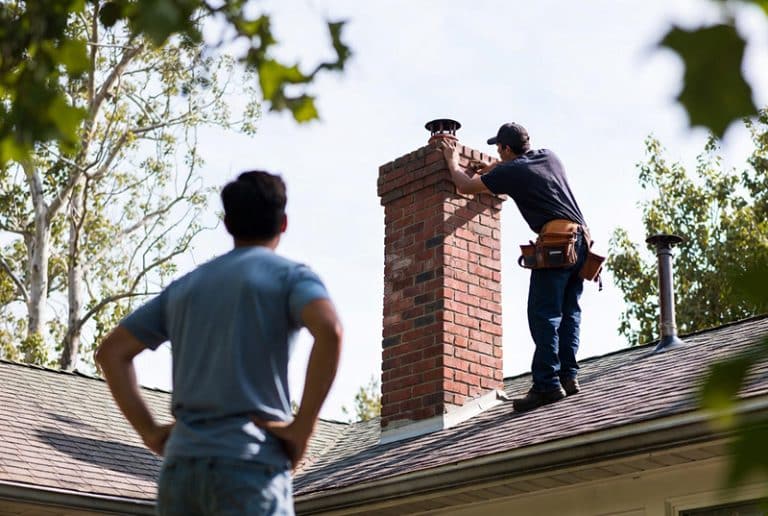
If you’ve ever noticed crumbling mortar between your chimney bricks or spotted water stains near your fireplace after a Florida rainstorm, you’re not alone. Clearwater homeowners face a unique set of challenges when it comes to chimney masonry maintenance, and ignoring those warning signs can lead to costly repairs down the road.
We’ve seen firsthand how Clearwater’s humid subtropical climate, salt air, and seasonal storms can wreak havoc on brick and mortar structures. Chimneys, in particular, take the brunt of this exposure since they sit unprotected atop your roof, enduring everything Mother Nature throws their way. That’s why understanding chimney tuckpointing and proper masonry care isn’t just helpful, it’s essential for protecting your home and your family.
In this guide, we’ll walk you through everything you need to know about chimney masonry maintenance in Clearwater, from spotting early signs of damage to understanding the tuckpointing process and deciding whether to tackle repairs yourself or call in the professionals.
Why Chimney Masonry Maintenance Matters in Clearwater’s Climate
Clearwater’s climate might be perfect for beach days, but it’s pretty rough on chimney masonry. The combination of high humidity, salt-laden air from the Gulf, intense UV exposure, and frequent afternoon thunderstorms creates a perfect storm for mortar deterioration.
Here’s the thing: mortar joints are actually designed to be the “sacrificial” component of your chimney’s masonry system. They’re meant to absorb moisture and stress before the bricks themselves become damaged. But in Clearwater’s environment, this process accelerates significantly compared to drier, more temperate regions.
When mortar starts breaking down, water infiltration becomes the primary concern. And water is absolutely relentless, it seeps into every tiny crack and gap, expanding and contracting with temperature changes. During our cooler months (yes, we do have them), this cycle can cause existing cracks to widen. Over time, what started as minor surface deterioration can compromise your entire chimney structure.
Each year, unsafe fireplaces and chimneys cause significant numbers of injuries and deaths and account for more than $200 million in property losses nationwide. Your chimney isn’t just an aesthetic feature, it’s a critical component of your home’s heating system and overall safety.
We also can’t ignore the effects of salt air corrosion. Properties closer to the coast experience even faster mortar breakdown, with salt crystals working their way into porous materials and causing what masons call “spalling.” This is when the surface of brick or mortar begins flaking away in layers.
Regular maintenance and timely tuckpointing aren’t optional in our climate, they’re essential investments in your home’s structural integrity and your family’s safety.
Signs Your Chimney Needs Tuckpointing
Knowing when your chimney needs attention can save you thousands in repair costs. We recommend inspecting your chimney at least annually, ideally before the cooler season when you’re most likely to use your fireplace. Here are the key warning signs to watch for.
Visible Mortar Damage and Deterioration
The most obvious sign that tuckpointing is needed is visible damage to your mortar joints. Walk around your property and look up at your chimney (binoculars help). What you’re looking for:
- Crumbling or sandy mortar: If the mortar looks grainy or you can see pieces flaking off, deterioration has begun.
- Recessed joints: Mortar should sit relatively flush with or slightly behind the brick face. If joints appear deeply recessed (more than 1/4 inch), it’s time for repairs.
- Missing mortar sections: Complete gaps between bricks are an urgent concern requiring immediate attention.
- White staining (efflorescence): Those chalky white deposits on your bricks indicate water is moving through the masonry, carrying mineral salts to the surface.
Here’s a simple test: take a key or screwdriver and gently scrape a mortar joint. If the mortar crumbles easily or you can dig out chunks without much effort, it’s deteriorated beyond surface level.
The chimney crown, that cement cover sitting on top protecting your flue tiles and liner, deserves special attention too. If cracks exist in this cement or mortar, water can soak through and cause moisture damage throughout your entire flue system, even down into the fireplace and damper.
Water Infiltration and Moisture Issues
Water damage often reveals itself inside your home before you notice exterior problems. Watch for these red flags:
- Damp spots or water stains on walls or ceilings near your chimney
- Musty odors coming from your fireplace, especially after rain
- Rust on your damper or firebox components
- Cracked or damaged flue tiles visible from below
- Peeling wallpaper or blistering paint near the chimney structure
When the rain comes and you notice a moisture problem, it tends to be a process of elimination when the source isn’t obvious. Common culprits include cracked chimney crowns, missing chimney caps, improper flashing where the brick structure meets the roof, and deteriorated mortar joints.
If you notice rainfall coming inside, don’t wait. Water damage compounds quickly, and what might’ve been a simple tuckpointing job can escalate into major structural repairs if left unaddressed.
Understanding the Tuckpointing Process
Tuckpointing is a precise repair technique that involves removing damaged mortar and replacing it with fresh material. While the concept sounds straightforward, proper execution requires skill and attention to detail.
The process typically follows these steps:
1. Assessment and Preparation
First, we examine the entire chimney to determine the extent of deterioration. This helps identify whether spot repairs will suffice or if more comprehensive repointing is needed. The work area is then protected with tarps to catch debris.
2. Mortar Removal
Damaged mortar gets removed to a depth of at least 3/4 inch to 1 inch. This can be done with hand tools like chisels and grinders, or specialized equipment for larger jobs. The key is removing enough old material to ensure proper bonding with new mortar without damaging the surrounding bricks.
3. Joint Cleaning
After removal, joints are thoroughly cleaned to remove all dust and loose particles. Many professionals use compressed air or water, then allow adequate drying time before proceeding.
4. Mortar Application
Fresh mortar is packed firmly into the joints in layers, allowing each layer to partially set before adding more. This prevents the mortar from slumping and ensures strong adhesion.
5. Tooling and Finishing
Once the mortar reaches the right consistency (called “thumbprint hard”), it’s tooled to match the existing joint profile. This step affects both appearance and water-shedding ability.
6. Curing
Proper curing is crucial. New mortar needs protection from extreme heat, wind, and rain for several days while it develops strength. In Clearwater’s climate, timing the work to avoid afternoon storms is essential.
The entire process typically takes one to three days depending on chimney size and damage extent. A properly executed tuckpointing job should last 25-30 years when paired with regular maintenance.
Choosing the Right Materials for Clearwater Chimneys
Material selection can make or break a tuckpointing job, especially in Florida’s demanding climate. Not all mortars are created equal, and using the wrong type can actually accelerate damage to your chimney.
Mortar Types
Mortar comes in several classifications (Type M, S, N, O, and K), each with different strength characteristics:
- Type N: This is typically the best choice for above-grade exterior work like chimneys. It offers good weather resistance, flexibility, and moderate compressive strength.
- Type S: Higher strength, sometimes used for chimneys exposed to severe conditions, though it’s less forgiving of minor movement.
- Type O: Too soft for most chimney applications but may be appropriate for historic restoration work.
Here’s something many homeowners don’t realize: using mortar that’s too hard can damage your bricks. The mortar should always be slightly softer than the surrounding masonry so it absorbs stress rather than transferring it to the bricks.
Color Matching
Unless you’re repointing the entire chimney, matching existing mortar color matters for aesthetics. Professional-grade mortar can be tinted, or you can use pre-colored products. We recommend bringing a sample of your current mortar to ensure a close match.
Waterproofing Considerations
After tuckpointing, applying a breathable water repellent can extend the life of your repair. The key word is “breathable”, standard waterproof sealers trap moisture inside the masonry, causing more harm than good. Look for silane or siloxane-based products designed for masonry applications.
Climate-Specific Adaptations
For coastal Clearwater properties, consider mortar additives that improve salt resistance. Some contractors also recommend slightly modified mix ratios to better handle our humidity levels. Whatever materials you choose, ensure they meet or exceed ASTM standards for masonry mortar.
DIY vs. Professional Chimney Repair
We get it, watching YouTube tutorials makes tuckpointing look manageable. And truthfully, minor cosmetic repairs on accessible areas can be a reasonable DIY project for handy homeowners. But there are important factors to consider before grabbing a trowel.
When DIY Might Work
- Small areas of deterioration (a few linear feet of joints)
- Ground-level or easily accessible locations
- You have experience with masonry work
- Damage is purely cosmetic with no structural concerns
When to Call Professionals
- Damage extends beyond surface-level mortar issues
- Water infiltration is occurring
- Work requires roof access or scaffolding
- Historic or unusual brick types are involved
- The chimney shows structural movement or leaning
- Crown damage or flashing issues are present
Safety is the biggest consideration. Chimney work inherently involves heights, and the roof pitch adds complexity. Professional crews have proper safety equipment, scaffolding, and insurance coverage. One misstep isn’t worth the savings.
There’s also the matter of proper diagnosis. What looks like simple mortar deterioration might actually indicate deeper problems, damaged flue liners, cracked crowns, or compromised flashing. An experienced chimney professional will identify these issues during assessment. A fireplace chimney inspection provides visual detection of age and use, as well as wear and tear, which, if not tended to, can cause costly repairs or unsafe conditions.
The Cost Factor
Professional tuckpointing typically runs $5-$25 per square foot depending on accessibility, damage extent, and your location. Yes, materials alone cost significantly less. But factor in equipment rental, your time, potential mistakes, and safety risks, the value proposition often favors professionals.
Our recommendation? At minimum, have a professional inspection before attempting DIY repairs. This ensures you understand the full scope of work needed and won’t inadvertently make problems worse.
Preventive Care and Long-Term Maintenance Tips
The best chimney repair is the one you never need. Proactive maintenance extends the life of your masonry and catches small issues before they become expensive problems.
Schedule Annual Inspections
Your fireplace and chimney should be inspected and serviced annually by a qualified chimney sweep for safe and efficient operation. The technician will verify that the system is free of obstructions and combustible deposits. The Chimney Safety Institute recommends that homeowners who light fires in their fireplaces regularly during the heating season should have their chimneys inspected and cleaned once a year.
Install a Quality Chimney Cap
If your chimney isn’t protected by a professional chimney cap, rainwater can enter the flue and cascade straight down, soaking the masonry and bricks on the way. A good cap also keeps out animals, debris, and sparks. It’s one of the most cost-effective protective measures available.
Maintain Your Chimney Crown
The crown is your first line of defense against water intrusion. Inspect it annually and address cracks promptly with appropriate sealants before they worsen.
Address Flashing Issues Immediately
Chimney flashing keeps water from entering where the brick structure meets the roof. If your flashing is old, deteriorating, or was damaged during roof repairs, there can be gaps allowing rainwater into your home. Don’t ignore visible rust or separation.
Keep Vegetation Trimmed
Overhanging branches deposit debris, retain moisture against masonry, and can cause physical damage during storms. Maintain at least a 10-foot clearance around your chimney.
Monitor for Creosote Buildup
Creosote buildup from using your fireplace can cause chimney fires that warp and crack the structure, exposing your home’s framework and increasing house fire risk. Proper sweeping eliminates this hazard.
Document Everything
Keep records of inspections, repairs, and maintenance. This helps track deterioration patterns and is valuable if you ever sell your home.
Act on Small Problems
That hairline crack or small area of crumbling mortar? Address it now. Water damage compounds exponentially, and early intervention always costs less than major restoration.
Conclusion
Chimney masonry maintenance in Clearwater isn’t something you can set and forget. Our climate demands attention, and the consequences of neglect, from water damage to potential safety hazards, are simply too significant to ignore.
The good news? With regular inspections, timely tuckpointing when needed, and basic preventive care, your chimney can provide decades of safe, reliable service. Understanding the signs of deterioration empowers you to catch problems early, and knowing when professional help is warranted protects both your investment and your family.
Whether you’re noticing the first signs of mortar deterioration or dealing with an existing moisture problem, taking action now will always be easier and more affordable than waiting. Your chimney and fireplace system are important parts of your home, make their care a regular part of your maintenance schedule.
If you’re unsure about your chimney’s condition or ready to schedule an inspection, we encourage you to reach out to experienced professionals who understand Clearwater’s unique challenges. Your home’s safety and your peace of mind are worth it.
