
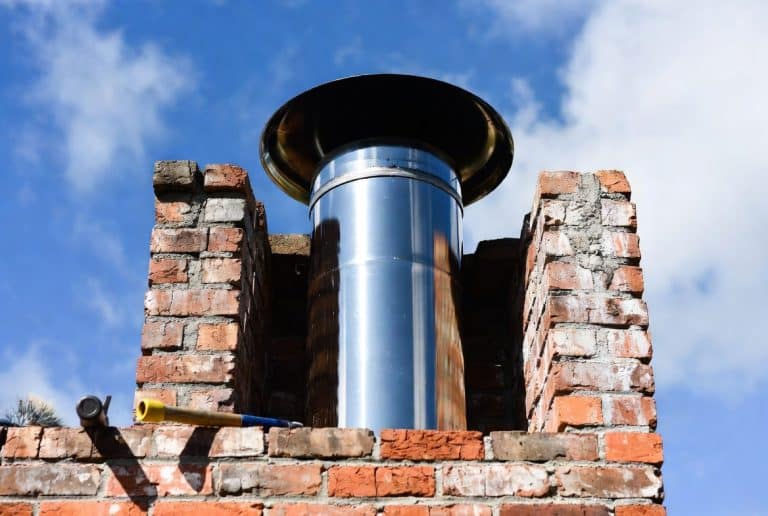
If you’ve lived in Clearwater or anywhere along the Tampa Bay coast for more than a few seasons, you know how quickly the weather can turn. One minute it’s sunny, the next you’re dealing with a sudden downpour or a tropical storm rolling through. And if your chimney doesn’t have a proper cap on it, that rain is going straight down your flue.
At A Sweep Across the Bay, we’ve been helping homeowners throughout Clearwater, St. Petersburg, Largo, and the surrounding communities protect their chimneys for over 44 years. One of the most common issues we see? Missing or damaged chimney caps. It’s a simple fix that can save you thousands in repairs down the road. Let’s talk about why chimney caps matter so much here in Florida, what types work best for our climate, and what you should look for when choosing one for your home.
Key Takeaways
- The best chimney caps for Clearwater homes are stainless steel or copper, which resist rust and corrosion from Florida’s salt air and humidity.
- A quality chimney cap blocks rain, sparks, pests, and debris from entering your flue, preventing costly damage to your chimney system.
- Multi-flue caps are ideal for older homes with multiple flues, as they protect the entire chimney crown and all openings at once.
- Look for chimney caps with single-piece hood construction, adequate overhang, and secure spark arrestor mesh for optimal protection.
- Professional installation ensures proper fit, safety, and includes an inspection that can catch chimney problems early.
- Annual inspections and post-storm checks are essential for maintaining your chimney cap in Florida’s coastal climate.
Why Clearwater Homes Need Quality Chimney Caps
Here’s the thing about living near the Gulf: the weather is beautiful most of the time, but it’s also relentless. The humidity, salt air, afternoon thunderstorms, and occasional hurricane all take a toll on your home. Your chimney is no exception.
Without a quality chimney cap, your flue is basically an open pipe sitting on top of your roof. Rainwater can enter the chimney flue and cascade straight down, soaking the masonry and bricks on the way. Over time, this moisture causes serious damage to your chimney liner, damper, and even the firebox itself. We’ve seen homeowners in Sarasota and Bradenton dealing with rust, mold, and crumbling mortar all because they never installed a cap.
But rain isn’t the only concern. Chimney caps also:
- Block sparks and embers from escaping and landing on your roof or nearby landscaping
- Prevent animals and pests like birds, raccoons, and squirrels from nesting inside your flue
- Reduce downdrafts that can blow smoke back into your home during windy days
- Keep out debris like leaves, twigs, and other material that can clog your chimney
Many Florida building codes now require chimney caps when homes are sold or re-roofed. So even if you’re not planning to use your fireplace regularly, having a proper cap installed is still important for protecting your investment and staying up to code.
Types of Chimney Caps for Florida Weather
Not all chimney caps are created equal, and the type you choose matters a lot when you’re dealing with Florida’s coastal climate. Here’s a breakdown of the most common options and how they hold up in our area.
Stainless Steel Caps
Stainless steel is the gold standard for chimney caps in coastal regions like Tampa Bay, Clearwater, and the surrounding areas. It resists rust and corrosion from salt air and moisture far better than galvanized steel or aluminum.
The best stainless steel caps feature a single-piece hood design with no rivets or seams, which helps prevent water leakage and extends the cap’s lifespan. They also typically come with expanded steel mesh that serves as a spark arrestor while still allowing proper airflow.
If you’re in Palm Harbor, Tarpon Springs, or anywhere else near the coast, stainless steel is really the way to go. It costs a bit more upfront, but you won’t be replacing it every few years.
Copper Caps
Copper chimney caps are another excellent choice for Florida homes, especially if you’re looking for something with a bit more visual appeal. Copper naturally develops a patina over time, giving it that distinctive greenish hue you see on older buildings.
Beyond aesthetics, copper is incredibly durable and resistant to corrosion. It handles humidity and salt air well, making it a solid option for homeowners in Venice, Siesta Key, and Englewood. The main downside? Copper caps tend to be more expensive than stainless steel. But if your home has a copper roof or other copper accents, matching your chimney cap can really tie things together.
Multi-Flue Caps
Many older homes in areas like Lakeland, Brandon, and Plant City have chimneys with multiple flues. If that’s your situation, a multi-flue cap is the most practical solution.
These caps cover the entire chimney crown and protect all your flues at once. Premier top mount multi-flue caps typically feature hinged mounting systems for secure installation and come in various heights (commonly 8″, 10″, 12″, and 16″) to accommodate different chimney configurations. They attach to the chimney crown or brick using adhesive and tapcons.
Multi-flue caps also provide extra protection for your chimney crown, which is the cement cover that sits on top of your chimney. If cracks exist in this cement or mortar, water can soak through and cause moisture damage throughout your flue system, even down into the fireplace and damper.
Key Features to Look for in a Chimney Cap
When you’re shopping for a chimney cap, it’s easy to get overwhelmed by all the options. Here are the features that actually matter, especially for homes in the Clearwater and Tampa Bay area.
Rain and Moisture Protection
This is priority number one in Florida. Look for caps with:
- Single-piece hood construction with no rivets or seams where water can penetrate
- Adequate overhang that extends beyond the flue opening to deflect rain
- Angled or domed tops that shed water quickly instead of allowing it to pool
A good chimney cap should keep virtually all rain out of your flue, even during heavy storms. If you’ve ever noticed rainfall coming inside your fireplace, that’s a clear sign your current cap isn’t doing its job (or you don’t have one at all).
Spark Arrestor Mesh
Every quality chimney cap should include mesh screening that serves double duty as a spark arrestor. This expanded metal mesh prevents hot embers from escaping while still allowing smoke and gases to vent properly.
Look for mesh with openings small enough to stop sparks but large enough to maintain good airflow. Galvanized steel mesh is common, though stainless steel mesh will last longer in our humid climate. The mesh also helps prevent creosote buildup by promoting proper draft.
Wildlife and Pest Prevention
Florida wildlife loves to take up residence in chimneys. Birds, squirrels, raccoons, and even bats will happily move in if given the opportunity. Once they’re in there, you’re dealing with nests that block airflow, droppings that create odors and health hazards, and animals that sometimes can’t find their way back out.
The mesh on your chimney cap should be secure enough to keep determined critters out. Check that the mesh extends all the way around the cap without gaps, and that it’s made from a material sturdy enough that animals can’t chew or claw through it.
Professional Installation vs. DIY
Some chimney caps are marketed as easy DIY projects, and honestly, a few of them are simple enough that a handy homeowner could manage. But there are good reasons to consider professional installation, especially in our part of Florida.
First, getting the right fit matters. A chimney cap that’s too small won’t stay secure in high winds. One that’s too large won’t seal properly against rain. A professional can measure your flue accurately and recommend a cap that fits correctly.
Second, there’s the safety factor. Climbing on your roof carries real risk, and chimneys are often located in awkward spots. A professional has the equipment and experience to do the job safely.
Third, and this is important, professional installation often includes an inspection of your chimney‘s overall condition. At A Sweep Across the Bay, when we install a chimney cap, we’re also looking at your chimney crown for cracks, checking your flashing, and evaluating the general health of your chimney system. Sometimes we catch problems early that would have cost a lot more to fix down the road.
If you do go the DIY route, make sure you’re comfortable working at heights and that you have the right tools. Most caps require only basic hand tools for installation, but you’ll need to follow the manufacturer’s instructions carefully. And here’s a word of caution: Florida regulations require contractors working on your roof to hold a valid roofing license and carry liability and workers’ compensation insurance. If you hire someone, verify their credentials before they start the job.
Maintaining Your Chimney Cap in Coastal Climates
Installing a chimney cap isn’t a “set it and forget it” situation, especially when you’re living near the Gulf. Salt air, humidity, and storm debris all take their toll over time.
Here’s what we recommend for homeowners in Clearwater, St. Petersburg, Osprey, Port Charlotte, and other coastal communities:
Annual visual inspections: At minimum, take a look at your chimney cap once a year. You’re checking for rust, loose mesh, dents from storm debris, or any signs of animal damage. If you can safely view your cap from the ground with binoculars, that works. Otherwise, this is something we can check during a routine chimney inspection.
Clean the mesh regularly: Leaves, pine needles, and other debris can accumulate on and around your cap, blocking airflow. Clear this material away at least once a year, more often if you have trees overhanging your roof.
Check after major storms: After a hurricane or strong tropical storm, it’s worth inspecting your chimney cap for damage. High winds can loosen caps, bend mesh, and even tear them off entirely. We see this a lot in the communities around Tampa Bay after storm season.
Address rust early: If you notice any rust starting to form, deal with it before it spreads. Light surface rust on galvanized caps can sometimes be cleaned and treated. But if rust has eaten through the metal, it’s time for a replacement.
Schedule professional maintenance: A chimney sweep service includes inspection of your cap and the rest of your chimney system. This is the best way to catch small problems before they become expensive repairs.
Conclusion
A quality chimney cap is one of those small investments that pays for itself many times over. It keeps rain out of your flue, prevents animals from moving in, stops sparks from escaping, and protects your chimney from the harsh Florida elements. Whether you’re in Clearwater, Auburndale, or anywhere else in the Tampa Bay region, having the right cap on your chimney just makes sense.
If you’re not sure what condition your current cap is in, or if you don’t have one at all, now is a great time to get it sorted out. A Sweep Across the Bay has been serving homeowners throughout Tampa Bay, Largo, St. Petersburg, Bradenton, Sarasota, Clearwater, and all the surrounding communities for over 44 years. We’re a family-owned and operated business, and we take pride in helping our neighbors protect their homes.
Give us a call or fill out our appointment form to schedule a chimney inspection. We’ll take a look at your chimney cap, your crown, your flue liner, and everything else, and give you honest recommendations about what needs attention. Your chimney is too important to ignore, and we’re here to help you take care of it.
Frequently Asked Questions
What is the best chimney cap material for coastal Florida homes?
Stainless steel is the gold standard for chimney caps in coastal areas like Clearwater and Tampa Bay. It resists rust and corrosion from salt air and humidity far better than galvanized steel or aluminum, making it the most durable long-term investment for Florida homeowners.
How do chimney caps protect against rain and pests?
Chimney caps feature a hood that deflects rainwater away from the flue opening, preventing moisture damage to your liner, damper, and firebox. The mesh screening blocks animals like birds, raccoons, and squirrels from nesting inside while still allowing proper smoke ventilation.
Do I need a chimney cap if I don’t use my fireplace?
Yes, a chimney cap is still essential even if you rarely use your fireplace. It prevents rain damage, pest infestations, and debris buildup that can cause costly repairs. Many Florida building codes also require chimney caps when homes are sold or re-roofed.
How often should I inspect my chimney cap in Clearwater?
Homeowners in coastal areas should visually inspect their chimney cap at least once a year and after major storms. Check for rust, loose mesh, dents, or animal damage. Regular maintenance prevents small issues from becoming expensive repairs.
What is a multi-flue chimney cap and when do I need one?
A multi-flue chimney cap covers the entire chimney crown and protects multiple flues simultaneously. It’s ideal for older homes with more than one flue and provides extra protection for your chimney crown against water infiltration and weather damage.
Should I install a chimney cap myself or hire a professional?
Professional installation is recommended for proper fit, safety on the roof, and a thorough chimney inspection. Professionals ensure the cap is sized correctly to withstand high winds and seal against rain, often catching other chimney problems during the process.
