
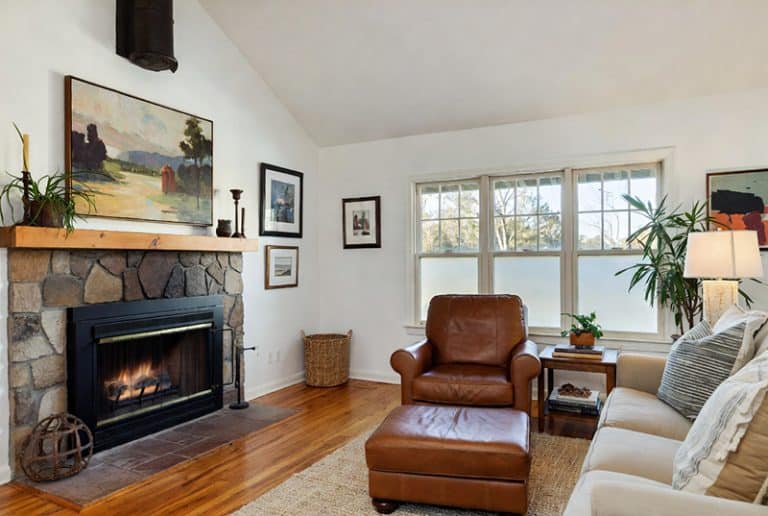
When temperatures dip across the Tampa Bay area, there’s nothing quite like gathering around a warm fireplace. For Tarpon Springs homeowners, adding a fireplace isn’t just about heating, it’s about creating a cozy centerpiece that transforms how you experience your home during Florida’s cooler months.
Whether you’re drawn to the crackling ambiance of a wood-burning hearth or prefer the push-button convenience of gas, today’s fireplace installation options offer something for every lifestyle and budget. At A Sweep Across the Bay, we’ve helped countless families navigate these choices over our 44+ years serving the Tampa Bay region. Let’s explore what’s possible for your home.
Why Tarpon Springs Homeowners Are Adding Fireplaces
You might wonder why anyone in Florida would bother with a fireplace. But if you’ve lived through a few winters in Tarpon Springs, you know those cold snaps are real, and running central heat constantly gets expensive.
Fireplaces offer zone heating, meaning you can warm the rooms you’re actually using rather than heating your entire house. This targeted approach can reduce energy bills while keeping your family comfortable where it matters most.
But practicality isn’t the only driver. Home values in Tarpon Springs continue to climb, and a well-installed fireplace adds genuine appeal to potential buyers. Real estate experts consistently rank fireplaces among the most desirable home features, particularly in markets where they’re less common.
There’s also the lifestyle factor. Whether you’re hosting guests during the holidays or simply enjoying a quiet evening at home, a fireplace creates an atmosphere that no space heater can match. We’ve seen countless homeowners discover that their new fireplace becomes the heart of their living space, a place where family naturally gathers.
Gas Fireplace Installation: Clean and Convenient Heat
Gas fireplaces have become our most popular installation request in recent years, and it’s easy to see why. With the flip of a switch or press of a remote, you get instant flames without hauling firewood, cleaning ash, or worrying about creosote buildup.
Modern gas units produce impressive heat output, many models can warm spaces up to 1,500 square feet efficiently. They connect to your home’s existing natural gas or propane supply, and contemporary designs feature realistic ceramic logs that look remarkably like the real thing.
Installation requirements vary depending on your situation. Direct-vent gas fireplaces pull outside air for combustion and expel exhaust through a dedicated vent, making them highly efficient and safe. Ventless models offer even more placement flexibility, though local codes in some areas restrict their use.
Maintenance is minimal compared to wood-burning options. We recommend annual inspections to check gas connections, burners, and venting systems, but you won’t need regular chimney sweeping. For busy Tarpon Springs families who want ambiance without the upkeep, gas fireplaces deliver.
Electric Fireplaces: A Versatile Low-Maintenance Option
Electric fireplaces represent the simplest installation path for homeowners who want fireplace aesthetics without major construction. These units plug into standard outlets and require no venting, gas lines, or chimney systems whatsoever.
Today’s electric models have come a long way from the cheesy flame effects of decades past. LED technology creates convincing flame patterns with adjustable colors and intensities. Many units feature independent flame and heat controls, so you can enjoy the visual ambiance year-round, even during summer, without generating warmth.
Installation options range from wall-mounted units to built-in models that fit into existing walls or entertainment centers. Freestanding electric stoves offer another possibility, mimicking the look of traditional wood stoves without requiring any permanent installation.
The trade-off? Electric fireplaces won’t heat large spaces as effectively as gas or wood-burning options. They work best as supplemental heat sources or ambiance pieces in bedrooms, home offices, or smaller living areas. Operating costs depend on your electricity rates, but zone heating with an electric unit often beats running central HVAC for hours.
Wood-Burning Fireplaces: Traditional Charm With Modern Safety
Nothing replicates the sensory experience of a genuine wood fire, the crackle, the aroma, the dancing flames. For purists, wood-burning fireplaces and stoves remain the gold standard.
New wood-burning installations require the most extensive planning. You’ll need a proper chimney or flue system, adequate clearances from combustible materials, and compliance with local building codes. Masonry fireplaces represent the traditional approach, while prefabricated metal units offer faster installation at lower cost.
Wood stove installations have gained popularity among homeowners seeking efficient heat. Modern EPA-certified stoves burn cleaner and extract more heat from each log than older designs. Some models achieve efficiency ratings above 80%, far surpassing traditional open fireplaces.
Here’s the honest reality about wood-burning: they require commitment. You’ll need a reliable firewood source, proper storage space, and willingness to handle regular maintenance. Chimney cleaning becomes essential, creosote buildup causes a significant portion of the estimated $125 million in annual property losses from chimney fires nationwide. We recommend annual inspections and cleaning for anyone who burns wood regularly.
Even though the extra effort, many Tarpon Springs homeowners find wood-burning worth it. There’s something irreplaceable about starting a fire from scratch and tending it through a chilly evening.
Choosing the Right Location for Your New Fireplace
Location decisions involve more than aesthetics, though that matters too. Several practical factors should guide your placement.
First, consider traffic patterns. Fireplaces work best in spaces where people naturally gather, typically living rooms or family rooms. Corner installations can work well in open floor plans, while centered placements create traditional focal points.
Structural requirements vary by fireplace type. Wood-burning units need chimney access, which often means exterior wall placement or vertical routing through upper floors and roof. Gas fireplaces require proximity to gas supply lines, though these can often be extended. Electric units offer maximum flexibility since they only need electrical access.
Ventilation matters for all fuel-burning options. Direct-vent gas fireplaces need exterior wall access for their sealed combustion systems. Wood-burning units require proper draft to function safely and prevent smoke from entering your living space.
Don’t forget about furniture arrangement. Your fireplace should anchor the room’s layout comfortably. We always encourage clients to visualize where seating will go and how the fireplace will look from key viewing angles before committing to placement.
What to Expect During the Installation Process
Every fireplace installation begins with an inspection and consultation. We assess your home’s structure, existing utilities, and your goals to recommend appropriate options. This initial evaluation helps prevent surprises down the road.
Timelines vary considerably by project scope. Electric fireplace installations might take a single day. Gas units typically require two to four days, depending on whether new gas lines or venting modifications are needed. Wood-burning installations, particularly masonry fireplaces, can take several weeks from start to finish.
Permit requirements in Tarpon Springs and surrounding Pinellas County areas depend on the installation type. Gas and wood-burning units usually require permits and inspections to ensure code compliance. Your installer should handle this paperwork, but it’s worth asking about upfront.
During construction, expect some disruption. Venting installation may require cutting through walls or roofing. Gas line work involves coordinating with utility services. We minimize mess through dust containment and thorough cleanup, but some inconvenience is unavoidable.
Once installation completes, proper operation training ensures you get the most from your new fireplace safely. For wood-burning units especially, understanding proper burning techniques and maintenance schedules protects your investment and your family.
Conclusion
Adding a fireplace to your Tarpon Springs home is an investment in comfort, value, and daily enjoyment. Whether you choose gas for convenience, electric for simplicity, or wood-burning for tradition, the right installation transforms how you experience cooler weather.
If you’re ready to explore your options, we’re here to help. Give us a call for honest prices and professional guidance through every step of the installation process.
