
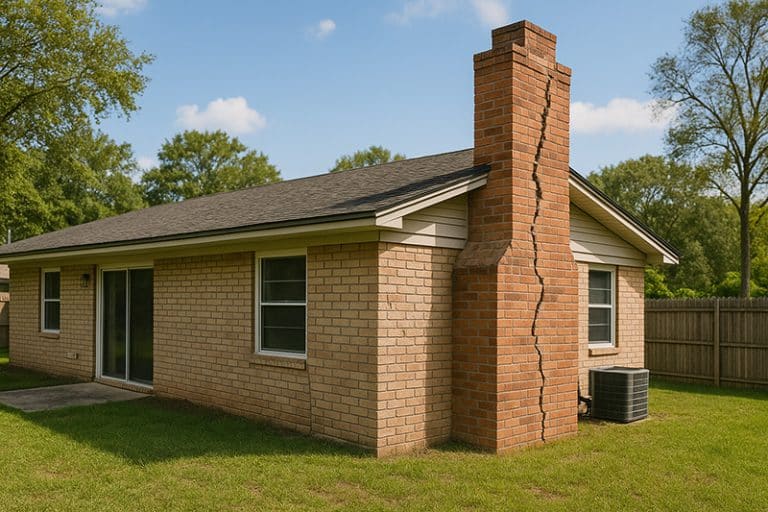
If you’re getting ready to buy or sell a home in St Petersburg, a Level II chimney inspection is not a nice-to-have. It is the standard that protects your investment and your family. NFPA 211 calls for this level of inspection when a property changes hands, and CSIA strongly recommends it. At A Sweep Across the Bay, we’ve helped Tampa Bay homeowners for more than 44 years, and we see the same story again and again: a quick look misses issues a proper Level II inspection will catch. In a coastal market with salt air, storms, and older masonry stacks, that matters.
Below, we break down what a Level II inspection includes, why it matters locally, common red flags, timelines for real estate deals, costs, and how to choose the right inspector.
Key Takeaways
- Under NFPA 211, a Level II chimney inspection is required at sale or transfer—schedule it early in St Petersburg real estate timelines to meet contingencies.
- A Level II chimney inspection uses a video scan to assess the flue, liner, clearances, venting, and exterior components without demolition, delivering a photo-documented report for negotiations.
- St Petersburg’s salt air, storms, and wind-driven rain accelerate corrosion and water intrusion, making hidden liner damage and rust common issues a Level II inspection catches.
- Expect $200–$400 and 60–120 minutes for most Tampa Bay chimneys; book it alongside your general home inspection to keep the deal on track.
- Sellers gain leverage with pre-listing Level II reports, while buyers use documented defects to negotiate repairs or credits confidently.
- Choose a CSIA-certified, insured local inspector who follows NFPA 211 and provides repair priorities and estimates for Tampa Bay homes.
What a Level II Chimney Inspection Includes
A Level II chimney inspection is a comprehensive look at the full chimney and venting system that goes beyond a routine annual check. We visually assess all accessible areas of the system, including attics, crawl spaces, and basements, and we use a camera to scan the interior of the flue. This allows us to document hidden defects like cracked clay tiles, gaps in mortar joints, disconnected sections in prefab systems, and creosote layers that could ignite.
We verify liner integrity, proper clearances from combustibles, flue sizing and draft, termination and cap condition, and whether any prior repairs or fuel conversions were done correctly. Unlike invasive work, a Level II inspection does not require demolition. You get a clear condition report that you can use during negotiations or to plan repairs.
When It’s Required Under NFPA 211
Under NFPA 211, a Level II inspection is required when a property is sold or transferred, when you change appliances or fuel types, after a chimney fire, and following events that could have caused damage such as severe weather or seismic activity. CSIA aligns with this guidance and advises a Level II at sale or transfer. If you are closing on a home anywhere from St Petersburg and Largo to Clearwater, Bradenton, Sarasota, or Siesta Key, plan this inspection early so results can be included in your contingency timeline.
Tools and Scope: Video Scan and Access Points
On site, we run a video camera through the flue from bottom to top to document tile condition, joints, offsets, and any blockages. We inspect accessible portions of the chimney in attics and crawl spaces, check the firebox and smoke chamber, confirm the damper operates, and evaluate the crown, cap, chase cover, and flashing. For prefab systems, we verify listed components are present and matched. You get photos and video stills in your report so you can see what we see.
Why It Matters in St Petersburg’s Climate and Housing Stock
St Petersburg and the greater Tampa Bay area have a few factors that are tough on chimneys: salt air, long rainy seasons, and the occasional tropical system. Add in a mix of older masonry stacks and factory-built fireplaces, and a Level II inspection becomes the smart move during a sale.
Salt Air, Hurricanes, and Wind-Driven Rain
Salt accelerates corrosion on caps, chase covers, and prefab pipe. Wind-driven rain gets under flashing and into crowns, then down into the masonry where it cracks liners and spalls bricks. After strong storms, we often find shifted liners, missing mortar, and rusted support components. NFPA 211 calls for inspection after events that may have caused damage, and our coastal weather fits the bill.
Masonry vs. Prefab Systems Common Locally
Many St Pete, Clearwater, and Sarasota homes have older masonry chimneys that need careful review of flue tiles, smoke chamber parging, and crown integrity. In newer builds around Brandon, Lakeland, Palm Harbor, and Venice, we see more factory-built systems. With prefab chimneys, the inspection focuses on listed components, proper clearances, intact firestops, and corrosion. Both types can pass with flying colors, but each has its own failure patterns that a camera scan will reveal.
Red Flags Often Found During Level II Inspections
We do not go looking for problems for the sake of it. We document what’s there, good or bad, so you can plan with confidence. Here are the issues we most often find in Tampa Bay homes.
Hidden Liner Damage and Creosote
Cracked clay tiles, gaps in mortar joints, or damaged stainless liners are common in older stacks. These aren’t visible from the firebox. A camera scan catches them. Excessive creosote, especially glazed deposits, shows up when a fireplace has been used without regular cleaning. That buildup increases fire risk and can block draft.
Improper Clearances and Venting
We often see wood framing too close to the chimney, missing fire blocking in prefab chase walls, or improper connector runs for stoves. Venting issues show up as smoke rollout, odors, or carbon monoxide risk when a gas insert is vented into the wrong size flue. A Level II inspection verifies clearances and correct venting so you do not inherit a safety problem at closing.
Water Intrusion, Rust, and Structural Shifts
Florida rain finds every gap. We catch crown cracks, failed flashing, rusted chase covers, and missing caps. Inside, water stains and rust on dampers or fireboxes point to active leaks. In some homes from Tarpon Springs to Port Richey and Osprey to Englewood, settling or wind loads create minor shifts that open joints in the liner. Left alone, those issues lead to bigger repairs. This is exactly why A Sweep Across the Bay pairs findings with clear repair options.
Timing Your Inspection in a Real Estate Transaction
Whether you are listing or putting in an offer, timing matters. A Level II chimney inspection fits best alongside your general home inspection so you can keep contingencies on track.
Pre-Listing Advantages for Sellers
If you’re selling in St Petersburg, Largo, or Bradenton, scheduling a Level II before you list helps you control the narrative. You can address repairs up front or price accordingly, and you can show buyers a professional report with photos. Homes with clean inspection reports from A Sweep Across the Bay tend to move faster and avoid last-minute surprises.
Contingencies, Negotiations, and Repair Credits for Buyers
Buyers in Sarasota, Clearwater, Palm Harbor, Lakeland, Brandon, Plant City, and Auburndale use Level II findings to negotiate repairs or credits. If the report shows a cracked flue tile or a leaking chase, you have documentation to request remediation or adjust the offer. Book the chimney inspection early in your due diligence window so contractors have time to quote repairs if needed.
Costs, Timelines, and What to Expect on Inspection Day
No one likes guesswork, especially during a move. Here’s what most Tampa Bay homeowners can expect with a Level II inspection.
Typical Pricing and Duration
In our market, a standard Level II chimney inspection typically ranges from about $200 to $400 depending on system type, height, and access. Most appointments take 60 to 120 minutes. Allow a little extra time if the home has multiple flues or limited access in attics or crawl spaces.
Deliverables: Report, Photos, and Repair Priorities
You’ll receive a written report with photos and video stills, notes on NFPA 211 and manufacturer requirements, and prioritized recommendations. We organize repairs by urgency: safety items, active leaks, performance issues, and maintenance. If you’re under contract, we can send the report directly to your agent. And if you need repairs, A Sweep Across the Bay provides options for chimney caps, crowns, relining, smoke chamber repairs, waterproofing, and leak fixes.
Choosing a Qualified Inspector in St Petersburg
Buying or selling is stressful enough. Work with a pro who knows local codes, weather patterns, and the mix of chimney systems across Tampa Bay.
Certifications, Licensing, and Insurance
Look for CSIA-certified technicians, proper Florida licensing where applicable, and current general liability and workers’ comp coverage. Ask if the inspector follows NFPA 211 for scope and reporting. A Sweep Across the Bay is family owned, with more than 44 years serving customers across St Petersburg, Tampa Bay, Clearwater, Sarasota, Bradenton, and nearby communities.
Questions to Ask Before You Book
- Do you perform a full Level II with video scanning of the flue?
- Will the report include photos, repair priorities, and code or manufacturer citations?
- How soon can we receive the report for our contingency deadline?
- Do you service our area, including places like Tarpon Springs, Port Richey, Palm Harbor, Venice, Osprey, Englewood, Lakeland, Brandon, and Plant City?
- If repairs are needed, can you provide estimates and a realistic timeline?
Conclusion
If you are buying or selling a home in St Petersburg or anywhere around Tampa Bay, a Level II chimney inspection is the standard that keeps everyone safe and the deal clean. It verifies the liner, clearances, venting, and weather-exposed components in a climate that is tough on chimneys. Ready to get answers you can trust? Contact A Sweep Across the Bay to book your Level II inspection. We serve St Petersburg, Largo, Clearwater, Sarasota, Bradenton, Palm Harbor, Siesta Key, Port Charlotte, Venice, Osprey, Englewood, Lakeland, Brandon, Plant City, Auburndale, and more. Call us or use our quick appointment form to get on the schedule.
Level II Chimney Inspection FAQs for St Petersburg Home Sales
What does a Level II chimney inspection in St Petersburg include when buying or selling?
A Level II chimney inspection includes a video scan of the flue, visual checks of accessible areas (attic, crawl space, basement), and assessment of liner integrity, clearances, flue sizing, draft, crown, cap, flashing, and damper operation. It’s non-invasive and delivers a photo-rich report you can use for negotiations or repair planning.
When is a Level II chimney inspection required under NFPA 211 for real estate deals?
NFPA 211 calls for a Level II inspection at sale or transfer, after a chimney fire, when changing appliances or fuel types, and after events that could cause damage (e.g., severe storms). Schedule it early in your contingency window so findings and repair estimates can be included in negotiations.
Why is a Level II chimney inspection especially important in St Petersburg’s coastal climate?
Salt air accelerates corrosion of caps, chase covers, and prefab pipe, while wind-driven rain exploits flashing and crown defects. Tropical systems can shift liners and open mortar joints. A Level II chimney inspection in St Petersburg documents hidden damage in both masonry and prefab systems so you don’t inherit safety or leak issues.
How much does a Level II chimney inspection in Tampa Bay cost, and how long does it take?
Expect about $200–$400, depending on height, system type, and access. Most Level II chimney inspections take 60–120 minutes, with extra time for multiple flues or tight attic/crawl spaces. You’ll receive a written report with photos, video stills, and prioritized recommendations, and it can be sent directly to your real estate agent.
Do gas fireplaces or unused chimneys still need a Level II inspection at sale?
Yes. NFPA 211 recommends a Level II at property transfer regardless of fuel type or recent use. Gas appliances can create moisture and carbon monoxide risks if venting is wrong, while “unused” systems may have cracked liners, nests, or corrosion. The inspection verifies clearances, venting, and exterior components before occupancy.
What’s the difference between a Level I and a Level II chimney inspection?
A Level I is a basic visual check of readily accessible portions for annual maintenance. A Level II adds a video scan of the entire flue and examination of accessible areas like attics and crawl spaces. It’s the standard at sale/transfer, after a fire, or system changes—without demolition unless Level III is indicated.
