
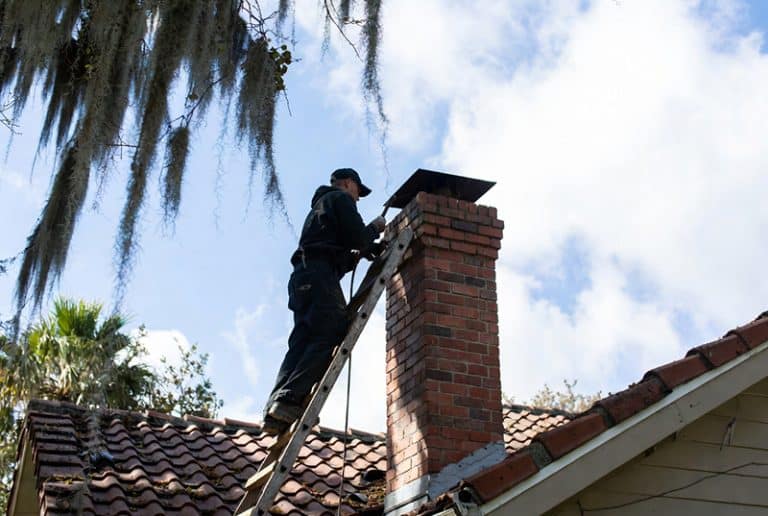
If you’ve got a fireplace in your Auburndale home, you’ve probably wondered at some point: “Do I really need to get this thing inspected?” The short answer is yes, and a Level I chimney inspection is typically where that process starts.
Every year, approximately 14,000 chimney fires occur across the United States, most of them caused by creosote buildup that could have been caught with routine maintenance. That’s not a scare tactic: it’s simply why organizations like the National Fire Protection Association (NFPA) and the Chimney Safety Institute of America (CSIA) recommend annual chimney inspections for every homeowner who uses their fireplace regularly.
At A Sweep Across the Bay, we’ve spent over 44 years helping families in the Tampa Bay area, including Auburndale and surrounding communities, keep their chimneys safe and functioning properly. In this guide, we’ll walk you through exactly what a Level I chimney inspection involves, when you need one, and what to expect before, during, and after the process.
What Is a Level I Chimney Inspection?
A Level I chimney inspection is the most basic, and most common, type of chimney evaluation. It’s designed for chimneys and fireplaces that are easily accessible and where you’re planning to continue using the system the same way you always have. No changes, no renovations, just regular use.
During this inspection, our technicians visually examine the readily accessible portions of your chimney and fireplace system. We’re checking that the structure is sound, free of obstructions, and clear of combustible deposits like creosote. Think of it as the standard annual checkup for your fireplace, similar to how you’d take your car in for routine maintenance even when nothing seems wrong.
You might also hear this type of evaluation called a “condition report,” “fireplace inspection,” or simply an “inspection report.” Whatever the name, the goal is the same: visual detection of wear and tear, age-related issues, and any problems that, left unchecked, could lead to costly repairs or dangerous conditions down the road.
It’s worth noting that a Level I inspection doesn’t involve specialized tools, cameras, or removing any components. It’s a straightforward visual assessment of everything we can see and access without taking things apart. For most Auburndale homeowners using their fireplaces normally, this level of inspection is exactly what’s needed.
When You Need a Level I Inspection
So when should you schedule a Level I chimney inspection? The NFPA’s Code 211 is pretty clear: all chimneys, fireplaces, and vents should be inspected annually. That’s the baseline recommendation, regardless of how often you actually light a fire.
But here are some specific scenarios where a Level I inspection is particularly important:
Annual maintenance. If you use your fireplace regularly, say, a few times a week during those cooler Tampa Bay days and cold snaps, an annual inspection is non-negotiable. The Chimney Safety Institute of America recommends that homeowners who light fires three or more times weekly during heating season have their chimneys inspected and cleaned at least once a year.
Before the burning season. Scheduling your inspection before you start using the fireplace again ensures everything is safe and ready to go. We see a lot of Auburndale homeowners call us in late fall, which works, but getting ahead of the rush is always smart.
After a period of non-use. Been away for a while? Haven’t used the fireplace in a year or two? It’s a good idea to have things checked before firing it back up. Birds, debris, and other obstructions can accumulate when a chimney sits idle.
Routine home maintenance. Just like you’d check your HVAC system or clean your gutters, chimney inspections should be part of your regular home maintenance schedule.
One important note: if you’re buying or selling a property, the CSIA strongly suggests an inspection during the transfer process. While a Level I may suffice in some cases, real estate transactions sometimes call for a more comprehensive Level II inspection, something we can discuss based on your specific situation.
What the Inspector Examines
During a Level I chimney inspection, our technicians examine all the readily accessible areas of your chimney and fireplace system. Here’s a breakdown of what we’re looking at.
Exterior Components
We start with what’s visible from the outside. This includes:
- The chimney crown and cap. These components protect your chimney from rain, debris, and animals. Cracks or damage here can lead to water intrusion, a common problem during Tampa’s rainy summer months.
- The chimney structure itself. We’re looking for visible cracks, deteriorating mortar joints, or any signs of structural damage.
- Flashing. This is the metal sheeting where your chimney meets the roof. Damaged or improperly installed flashing is one of the most common causes of chimney leaks.
- General condition. Any signs of wear, weathering, or obvious damage get noted.
Interior and Accessible Areas
Inside, our inspection covers:
- The firebox. This is where you actually build fires. We check for cracks, damage to the firebrick, and any signs of deterioration.
- The damper. This controls airflow and should open and close smoothly. A stuck or damaged damper affects both safety and efficiency.
- The smoke chamber and visible flue. We’re looking for creosote buildup, blockages, and any visible damage to the chimney liner.
- Clearances. Proper clearance between your chimney and combustible materials (like wood framing) is critical for safety. We verify these meet code requirements.
- Signs of animal activity. Birds, squirrels, and other critters love making homes in chimneys. An infestation needs to be addressed right away, both for your safety and theirs.
- Carbon monoxide hazards. Any blockages or damage that could cause carbon monoxide to leak into your home are a top priority.
We’re essentially looking for anything that could compromise safety, efficiency, or the structural integrity of your chimney system.
How Long the Inspection Takes
One question we hear a lot: “How long is this going to take?”
For a standard Level I chimney inspection, you’re typically looking at 30 to 45 minutes. Sometimes a bit longer if there are access issues or if we spot something that requires closer attention.
The process is pretty straightforward. Our technician will examine the exterior components, then move inside to inspect the firebox, damper, and accessible portions of the flue. We’re thorough but efficient, we know you’ve got things to do.
If you’re combining your inspection with a chimney cleaning (which many Auburndale homeowners do, since all our cleanings include a Level I inspection), plan for about an hour to 90 minutes total. The cleaning itself involves specialized brushes and vacuums to remove creosote and debris, and we make sure there’s no mess left behind when we’re done.
Bottom line: a Level I inspection isn’t a major time commitment. Most homeowners are surprised by how quick and non-disruptive the process actually is.
Common Issues Found During Level I Inspections
Over the years, we’ve inspected thousands of chimneys across the Tampa Bay area. Here are some of the most common issues we find during Level I inspections:
Creosote buildup. This is the big one. Creosote is a flammable byproduct of combustion that accumulates on the inside of your chimney. If it builds up enough and ignites, you’ve got a chimney fire on your hands. Chimney fires don’t just damage the chimney itself, they can warp and crack the structure, exposing your home’s framework to fire risk. Regular cleaning eliminates this hazard.
Obstructions. Leaves, bird nests, animal debris, and other blockages can restrict airflow and create carbon monoxide hazards. We find these more often than you’d think, especially in chimneys that haven’t been used in a while.
Cracked or damaged chimney liner. The liner protects the inside of your flue and directs combustion products safely outside your home. It also protects chimney masonry from moisture damage. A cracked or missing liner is a serious safety concern.
Water damage. Tampa’s rainy season is no joke, and chimneys take a beating. Damaged crowns, faulty flashing, and cracked mortar joints all let water in. Over time, water intrusion leads to structural damage, rust, and deterioration.
Deteriorating mortar and masonry. Age, weather, and repeated heating/cooling cycles take their toll. Cracks and crumbling mortar compromise the chimney’s structural integrity.
Damper problems. Stuck, rusted, or damaged dampers affect both safety and energy efficiency. If your damper won’t close properly, you’re losing heated (or cooled) air right up the chimney.
Clearance issues. Sometimes we find that combustible materials have been placed too close to the chimney, creating a fire hazard.
At A Sweep Across the Bay, we excel at identifying these issues and determining the right course of action. Some problems are simple fixes: others require more extensive repair work. Either way, catching them early saves money and keeps your family safe.
What Happens After the Inspection
Once the inspection is complete, you won’t be left wondering about the condition of your chimney. Our technician will walk you through the findings and explain exactly what we observed.
If everything looks good, great, you’re clear to enjoy your fireplace with confidence. We’ll likely recommend scheduling your next annual inspection and possibly a cleaning if creosote levels are building up.
If we do find issues, we’ll explain what they are, why they matter, and what your options are for addressing them. Not every problem requires immediate action, and we’ll be upfront about what’s urgent versus what can wait.
For minor issues, the solution might be as simple as a thorough cleaning or a small repair. More significant problems, like a damaged liner, major masonry deterioration, or structural concerns, may require a Level II inspection to get a more detailed assessment, possibly using specialized cameras to see areas that aren’t accessible during a standard Level I.
A Sweep Across the Bay provides a complete line of chimney repair services for homeowners in the Tampa Bay area, including Auburndale, Sarasota, St. Pete, Clearwater, Bradenton, and everywhere in between. Whatever the inspection reveals, we can help you understand your options and get your chimney back to safe operating condition.
The goal is always the same: help ensure the safety of you and your family, maintain optimum efficiency, and protect your house against chimney fires.
How to Prepare Your Home for the Inspection
Getting ready for a Level I chimney inspection is pretty simple. Here’s what you can do to make the process go smoothly:
Clear the area around the fireplace. Move furniture, decorations, and anything else away from the hearth. Our technicians need easy access to the firebox and surrounding area.
Make sure the fireplace is cold. Don’t light a fire for at least 24 hours before the inspection. We need to work in and around the firebox, and it needs to be completely cool.
Remove ashes and debris from the firebox. A quick cleanup beforehand helps us see what we’re working with. You don’t need to do a deep clean, just get the bulk of it out.
Ensure exterior access. If your chimney has exterior components that require a ladder or roof access, make sure we can get to them. Let us know if there are any access concerns when you schedule.
Note any concerns or issues. Have you noticed a smell? Smoke coming into the room? Water stains? Tell us about it. Your observations help us know what to look for.
Keep pets secured. For everyone’s safety (including the technician and your furry friends), keep pets in another room during the inspection.
That’s really it. A little preparation goes a long way toward a quick, efficient inspection.
Conclusion
A Level I chimney inspection isn’t complicated, time-consuming, or disruptive, but it is essential. For Auburndale homeowners who enjoy using their fireplaces, an annual inspection is one of the smartest investments you can make in your home’s safety.
Chimney fires cause more than $200 million in property losses each year in the United States. Most of those fires are preventable with proper maintenance. Regular inspections catch small problems before they become big ones, identify safety hazards before they cause harm, and give you peace of mind every time you light a fire.
At A Sweep Across the Bay, we’ve been helping Tampa Bay area families maintain their chimneys for over 44 years. We’re a family-owned and operated business, and we treat every customer’s home like our own. Whether you need an inspection, cleaning, or repairs, we’re here to help.
Ready to schedule your Level I chimney inspection? Give us a call or complete our short appointment form. We serve Auburndale and communities throughout the Tampa Bay area, and we’d love to help you keep your fireplace safe and ready to enjoy.
