
Every year, approximately 14,000 chimney fires strike homes across the United States, and the vast majority are completely preventable. The culprit? Creosote buildup that homeowners either didn’t know about or simply put off addressing. We’ve seen what happens when chimneys go neglected, and it’s not pretty: warped flue liners, cracked masonry, and in worst-case scenarios, house fires that devastate families.
The good news is that keeping your chimney safe doesn’t require heroic effort. With regular professional chimney sweep services and a bit of awareness between cleanings, you can enjoy your fireplace without the nagging worry that something’s lurking inside your flue. Let’s walk through everything you need to know about creosote, chimney maintenance, and protecting your home.
Why Creosote Buildup Is a Serious Fire Hazard
Creosote is a natural byproduct of wood combustion, but “natural” doesn’t mean harmless. When you burn wood, the smoke carries unburned particles up through your chimney. As this smoke cools, it condenses on the chimney’s interior walls, leaving behind a dark, tar-like residue. That’s creosote, and it’s incredibly flammable.
There are three stages of creosote buildup:
- Stage 1: A light, flaky deposit that’s relatively easy to remove
- Stage 2: A shiny, hardened layer that requires more aggressive cleaning
- Stage 3: A thick, glazed coating that’s extremely difficult to remove and poses the highest fire risk
Once creosote reaches stage 3, a single spark or excessive heat can ignite it. Chimney fires burn at temperatures exceeding 2,000°F, hot enough to crack your chimney liner, damage the masonry, and expose your home’s wooden framework to direct flame.
But fire isn’t the only concern. Heavy creosote buildup restricts airflow, which can push carbon monoxide back into your living space. Carbon monoxide poisoning claims around 4,000 lives annually in the U.S., with thousands more suffering from exposure-related illness. This invisible threat makes chimney cleaning not just a fire prevention measure, but a critical health safeguard.
How Often Should You Schedule a Chimney Sweep?
The Chimney Safety Institute of America (CSIA) has a straightforward recommendation: if you use your fireplace three or more times per week during heating season, schedule an inspection and cleaning at least once a year. But that’s the baseline, your specific situation might call for more frequent attention.
Several factors influence how quickly creosote accumulates:
- Type of wood burned: Softwoods like pine produce more creosote than hardwoods like oak or maple
- Moisture content: Wet or unseasoned wood creates significantly more buildup
- Burn temperature: Smoldering, low-temperature fires generate more residue than hot, clean-burning fires
- Chimney design: Older chimneys or those with poor draft may accumulate creosote faster
The National Fire Protection Association’s Code 211 recommends annual inspections for all chimneys, fireplaces, and vents, regardless of how often you use them. Even if you didn’t light a single fire last winter, animals may have built nests, debris could have fallen in, or moisture damage might be developing.
We generally suggest scheduling your chimney sweep in late summer or early fall, before heating season kicks in. This timing ensures you’re ready when that first cold snap hits, rather than scrambling for an appointment when everyone else remembers their chimney exists.
What Happens During a Professional Chimney Cleaning
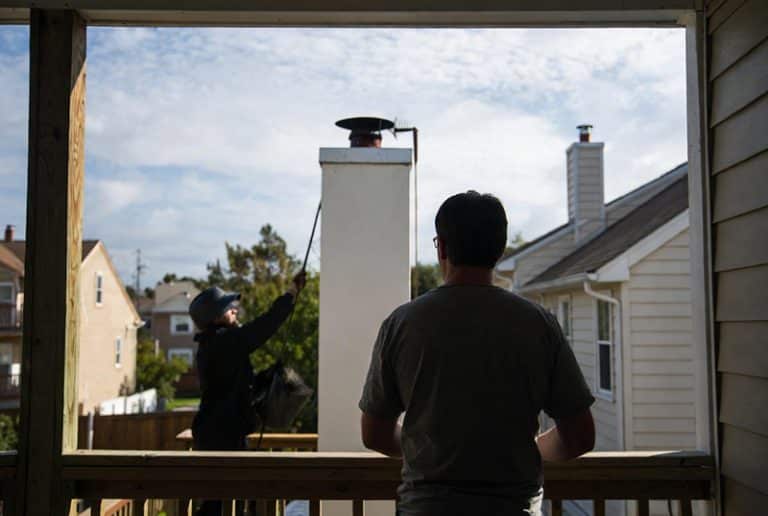
If you’ve never had a chimney cleaned professionally, you might wonder what the process actually involves. It’s more comprehensive than just running a brush up and down the flue.
A proper chimney sweep service typically starts with a Level I inspection. The technician examines all readily accessible areas of your chimney system, checking for structural soundness, obstructions, and combustible deposits. They’ll look for cracks in the flue liner, verify proper clearances, and assess the overall condition of your fireplace.
Once the inspection’s complete, the cleaning begins. Depending on your fireplace type and creosote severity, technicians use either rotary or manual methods:
- Manual sweeping employs traditional chimney brushes of various sizes, worked methodically through the flue
- Rotary systems use spinning brushes powered by a drill, which can be more effective for stubborn deposits
Professional chimney sweeps use industrial vacuums throughout the process to capture debris and prevent soot from spreading into your home. When done right, there’s no mess left behind, just a clean, safe chimney.
During cleaning, technicians also check for signs of animal infestation, water intrusion from rainstorms, and any developing problems that could become expensive repairs if ignored. It’s this thorough approach that separates professional service from DIY attempts.
Signs Your Chimney Needs Immediate Attention
While annual inspections catch most issues before they become dangerous, certain warning signs demand immediate action. Don’t wait for your scheduled appointment if you notice any of these:
Smoke entering your home: If smoke backs up into the room instead of going up the chimney, you likely have a blockage or draft problem. Stop using the fireplace immediately.
Strong, unpleasant odors: A creosote smell, especially during warm, humid weather, indicates significant buildup. A musty smell might signal water damage or animal presence.
Visible creosote flakes: Finding black, tar-like particles in your firebox or damper area means creosote is thick enough to be breaking off. This is a major fire hazard.
Damaged mortar or bricks: Crumbling masonry around your chimney could indicate past chimney fires or water infiltration. Both compromise structural integrity.
Dark, oily stains: Shiny or greasy-looking spots on the firebox walls suggest stage 2 or 3 creosote that requires professional removal.
Sounds from the chimney: Scratching, chirping, or fluttering often means birds, squirrels, or raccoons have moved in. These visitors need humane removal before you can safely use your fireplace.
If you’ve experienced a chimney fire, even a small one, schedule an inspection before your next fire. High temperatures from chimney fires can cause hidden damage that makes future use dangerous.
Tips for Reducing Creosote Between Cleanings
Professional cleaning is essential, but your burning habits between appointments significantly impact how much creosote accumulates. Here’s how to minimize buildup:
Burn only seasoned hardwood. Wood should be dried for at least six months to a year before burning. Seasoned wood has a moisture content below 20% and burns hotter with less smoke. You can test it, dry wood sounds hollow when pieces are knocked together.
Ensure adequate airflow. Don’t choke down the damper or air intake too much. Fires need oxygen to burn hot and clean. Smoldering fires might seem efficient, but they produce far more creosote than roaring ones.
Start fires properly. Use the top-down method: place larger logs on the bottom, smaller kindling on top, and light from above. This creates a hotter initial burn that warms the flue quickly and establishes good draft.
Avoid burning certain materials. Never burn treated wood, painted wood, cardboard with colored ink, or artificial logs made from wax and sawdust (these are fine occasionally but shouldn’t be your primary fuel). And please, never burn trash.
Keep fires hot. Add wood before the fire dies to coals. Restarting from embers produces more smoke during the low-temperature phase when the flue has cooled.
Consider a chimney cap. If you don’t already have one, a cap prevents rain, debris, and animals from entering while allowing smoke to escape. It’s a small investment that prevents bigger problems.
Choosing the Right Chimney Sweep Service
Not all chimney services are created equal. With something as critical as fire safety, you want professionals who know what they’re doing. Here’s what to look for:
CSIA certification matters. The Chimney Safety Institute of America certifies chimney sweeps who’ve demonstrated knowledge of proper cleaning techniques and safety standards. It’s not legally required, but it indicates commitment to the profession.
Experience counts. A company that’s been serving your area for years, or decades, has encountered every chimney configuration and problem imaginable. They’ve built a reputation to protect.
Comprehensive services. The best chimney companies offer more than just cleaning. Look for providers who handle inspections, repairs, water damage restoration, and even installations. If they discover a problem during cleaning, they should be able to fix it.
Transparent pricing. Reputable companies provide clear quotes before work begins. Be wary of unusually low prices, sometimes they’re bait-and-switch tactics or indicate corners being cut.
Insurance and licensing. Verify the company carries liability insurance and any required local licenses. This protects you if something goes wrong.
For homeowners in the Tampa Bay area, including Sarasota, St. Pete, Clearwater, and surrounding cities, A Sweep Across the Bay brings over 44 years of family-owned expertise to every job. All cleanings include a thorough Level I inspection, and their technicians are trained to spot issues before they become emergencies. Whether you need routine maintenance, chimney repairs, or even humane animal removal, they provide honest pricing and complete peace of mind.
Conclusion
Chimney fires account for over $200 million in property losses annually, yet they’re almost entirely preventable. By scheduling regular chimney sweep services, watching for warning signs, and practicing good burning habits, you protect both your home and your family. Don’t let creosote buildup turn a cozy fire into a disaster. Make chimney maintenance part of your regular home care routine, your peace of mind is worth it.
