
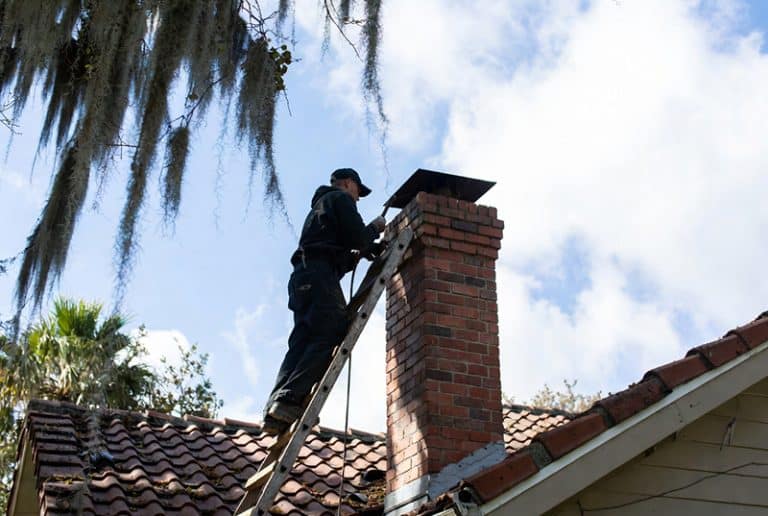
Living in St. Petersburg means enjoying sunshine, Gulf breezes, and the occasional dramatic afternoon thunderstorm. But those same conditions that make our area so appealing can wreak havoc on an unprotected chimney. Without a quality chimney cap, your flue becomes an open invitation for rainwater, stray sparks, and unwanted critters, none of which you want setting up shop in your home.
We’ve seen firsthand what happens when chimneys go unprotected in coastal Florida. Water damage to masonry, raccoons nesting in flues, and even near-miss fire hazards from escaping sparks. The good news? A well-chosen chimney cap solves all three problems at once. In this guide, we’ll walk you through the best chimney cap options for St. Petersburg homes, covering materials that stand up to our salty air, features that matter most, and how to make the right choice for your specific situation.
Why St. Petersburg Homes Need Quality Chimney Caps
St. Petersburg’s climate presents a unique set of challenges for homeowners. Our rainy season dumps an average of 50+ inches of precipitation annually, and without a chimney cap, that water cascades straight down your flue. We’ve inspected countless chimneys where moisture has soaked into the masonry, damaged fireplace dampers, and even caused interior water stains that homeowners couldn’t trace to the source.
But rain isn’t the only concern. Our mild winters mean many residents use their fireplaces during cold snaps without realizing their chimney lacks proper spark protection. Sparks and embers can escape an uncapped chimney, landing on roofs or nearby vegetation, a real fire hazard, especially during drier months.
Then there’s the wildlife factor. Squirrels, raccoons, birds, and even the occasional snake find uncapped chimneys irresistible. These animals can block your flue, create fire hazards with nesting materials, and introduce odors and parasites into your home. We’ve performed humane animal removals from chimneys throughout the Tampa Bay area, and trust us, prevention is far easier than extraction.
A quality chimney cap addresses all these issues simultaneously. It keeps rain out while allowing smoke and combustion gases to escape freely. It contains sparks within a mesh screen. And it creates a physical barrier that stops animals from entering. For St. Petersburg homeowners, it’s one of the smartest investments you can make in your home’s safety and longevity.
Types of Chimney Caps to Consider
Not all chimney caps are created equal, and choosing the right type depends on your chimney’s configuration and your specific needs. Here’s a breakdown of the main options we recommend for homes in our area.
Single-Flue Caps
Single-flue caps are the most common and straightforward option. They cover one chimney flue and attach directly to the flue tile or pipe extending from your chimney crown. These caps work well for homes with standard masonry chimneys that have a single fireplace.
They’re typically the most affordable option and come in various materials and styles. Installation is relatively simple, the cap either clamps onto the flue tile or screws into the crown. For most St. Petersburg homes with a single fireplace, a quality single-flue cap provides excellent protection without overcomplicating things.
Multi-Flue and Full-Coverage Caps
If your chimney serves multiple fireplaces or appliances, you’ll likely have several flue pipes extending from one chimney structure. Multi-flue caps, also called full-coverage or top-mount caps, span the entire chimney top and protect all flues simultaneously.
These caps mount directly to the chimney crown rather than individual flues, which offers an added benefit: they also protect the crown itself from water damage. In Florida’s wet climate, crown deterioration is a common problem we see during inspections. Cracks in the chimney crown allow water to seep through and cause moisture damage throughout the flue system. A full-coverage cap shields the entire surface, extending the life of your crown and reducing long-term maintenance needs.
Draft-Increasing Caps
Some homeowners in St. Petersburg experience draft problems, smoke backing up into the room or difficulty getting fires started. Draft-increasing caps (sometimes called wind-directional caps) use aerodynamic design to actually improve chimney draw.
These caps feature rotating or angled tops that use wind to create additional suction in the flue. They’re particularly useful for chimneys that are too short, located in wind-shadow zones created by nearby structures, or competing with other ventilation in the home. If you’ve struggled with smoky fires even though having your chimney cleaned and inspected, a draft-increasing cap might solve the problem.
Best Materials for Coastal Florida Climates
Material selection matters enormously in our coastal environment. Salt air, humidity, and intense UV exposure can destroy an inferior chimney cap within just a few years. Here’s what holds up best in the St. Petersburg and Tampa Bay area.
Stainless Steel is our top recommendation for most homeowners. Marine-grade 316 stainless steel resists corrosion from salt air far better than standard 304 stainless. Yes, it costs more upfront, but the extended lifespan, often 20+ years with proper care, makes it worthwhile. Look for caps with stainless steel mesh as well, since the screen is often the first component to corrode on cheaper models.
Copper offers excellent durability and develops an attractive patina over time. It’s naturally resistant to corrosion and can last decades. The downside? Cost. Copper caps run significantly more expensive than stainless steel options. But, for historic homes or those where aesthetics matter, copper adds both protection and curb appeal.
Galvanized Steel is the budget-friendly option, and we understand why it’s tempting. But here’s the honest truth: in coastal Florida, galvanized caps often start rusting within 3-5 years. The protective zinc coating breaks down faster in our humid, salty air. If you’re planning to stay in your home long-term, galvanized steel usually ends up costing more when you factor in premature replacement.
Aluminum falls somewhere in the middle. It won’t rust, which is appealing, but it’s softer and more prone to denting from debris or animal interference. Some aluminum caps also lack the structural rigidity needed to maintain their shape over time.
Our advice? Invest in quality stainless steel, specifically 316 marine-grade, for the best balance of durability, protection, and value in our climate.
Key Features That Protect Against Rain, Sparks, and Pests
Beyond material and type, specific design features determine how well a chimney cap actually performs its job. When evaluating options, pay attention to these critical elements.
Adequate Overhang and Lid Design
The cap’s lid should extend beyond the mesh screen on all sides. This overhang prevents rain from driving in sideways during our frequent thunderstorms, and anyone who’s lived through a Florida summer storm knows the rain doesn’t always fall straight down. A lid that’s too small or flat allows wind-driven rain to enter the flue even though the cap being installed.
Proper Mesh Size
Mesh screens serve dual purposes: containing sparks and blocking animals. The industry standard is 3/4-inch openings, which stops most wildlife while allowing adequate airflow. Smaller mesh (1/2-inch) provides better spark containment but can clog more easily with creosote or debris. Larger mesh saves money but won’t keep determined birds and smaller animals out.
For St. Petersburg homes, we typically recommend 3/4-inch mesh as the sweet spot. It blocks raccoons, squirrels, and most birds while maintaining good draft and reducing maintenance frequency.
Spark Arrestor Functionality
In Florida, where dry winters can leave vegetation crispy and fire-prone, spark arrestor capability isn’t optional, it’s essential. Quality caps trap sparks and embers within the mesh screen before they can land on your roof or nearby trees. Make sure any cap you consider explicitly lists spark arrestor functionality.
Secure Mounting System
We’ve seen caps blow off in strong winds, leaving chimneys suddenly unprotected. Look for caps with robust mounting hardware: multiple set screws, clamp bands, or bolt-through crown mounts. The Tampa Bay area experiences tropical storms and hurricanes: your cap needs to stay put when conditions get rough.
Easy Access for Maintenance
Your chimney should be inspected and serviced annually by a professional chimney sweep. Some cap designs make this difficult, requiring complete removal for inspection. Better designs allow technicians to access the flue without removing the entire cap, saving time and reducing wear on the mounting hardware.
How to Choose the Right Chimney Cap for Your Home
With all these options and features, how do you narrow down the right choice? Start by answering a few questions about your specific situation.
Assess Your Chimney Configuration
How many flues does your chimney have? Measure the exterior dimensions of your flue tiles or pipes. Single-flue caps require precise sizing, typically measuring the outside dimensions of the flue tile. Multi-flue caps need the overall crown dimensions. Getting these measurements wrong means either a cap that doesn’t fit or one that restricts airflow.
Consider Your Climate Exposure
Are you close to the Gulf? Homes in St. Petersburg, Clearwater, and Siesta Key face more aggressive salt exposure than those further inland in Lakeland or Brandon. If you’re within a few miles of saltwater, marine-grade stainless steel becomes even more important.
Evaluate Aesthetic Preferences
Chimney caps are visible from the ground, especially on single-story homes. Copper caps develop a distinctive green patina that complements certain architectural styles. Black powder-coated stainless blends with most rooflines. Some homeowners prefer caps that match existing metalwork on their home.
Factor in Your Budget, Wisely
Cheaper caps seem appealing, but replacement costs add up. A $50 galvanized cap that rusts out in four years costs more over a decade than a $150 stainless cap that lasts fifteen. Think long-term.
When in Doubt, Get a Professional Opinion
At A Sweep Across The Bay, we inspect chimneys throughout the Tampa Bay area, from Sarasota to Tarpon Springs and everywhere in between. With over 44 years of experience, we’ve seen which caps perform well in our local conditions and which ones don’t. If you’re unsure what your chimney needs, scheduling an inspection is the smartest first step. We’ll assess your current situation, take accurate measurements, and recommend options that make sense for your home.
Installation and Maintenance Tips
Proper installation ensures your chimney cap performs as intended. While some homeowners tackle this as a DIY project, others prefer professional installation, especially for multi-flue caps or chimneys that require roof access.
Installation Basics
For single-flue caps, installation typically involves sliding the cap over the flue tile and tightening set screws or a clamp band. Make sure the cap sits level and the screws make firm contact with the tile. Undertightening leaves the cap vulnerable to wind: overtightening can crack older flue tiles.
Multi-flue caps require drilling into the chimney crown and securing with concrete screws or bolts. Before drilling, inspect the crown for cracks, if it’s deteriorated, cap installation should wait until repairs are complete. Applying a sealant around the mounting points prevents water from seeping into screw holes.
Safety First
Chimney cap installation requires roof access. If you’re not comfortable working at height, or if your roof pitch is steep, hire a professional. Falls from roofs cause thousands of serious injuries annually, no chimney cap is worth that risk.
Ongoing Maintenance
Once installed, chimney caps need periodic attention:
- Annual Inspection: Have your cap checked during your yearly chimney inspection. Technicians look for rust, loose mounting hardware, damaged mesh, and debris accumulation.
- Clear Debris: Leaves, twigs, and creosote can accumulate on and around the cap, potentially restricting airflow. After heavy storms, a visual check from the ground can spot obvious blockages.
- Address Rust Early: If you notice rust spots forming, address them before they spread. Light surface rust can sometimes be treated: advanced corrosion usually means replacement.
- Check After Storms: High winds can loosen hardware or shift cap position. After tropical storms or hurricanes, inspect your cap for damage or displacement.
At A Sweep Across The Bay, all our chimney cleanings include a Level I inspection, which covers the chimney cap and crown condition. We’ll let you know if your cap needs attention before small problems become expensive repairs.
Conclusion
A quality chimney cap is one of the most effective, and often overlooked, investments St. Petersburg homeowners can make. It blocks the rain that damages masonry and fireplace components, contains the sparks that pose fire hazards, and keeps wildlife from turning your flue into a den. In our coastal climate, material choice matters enormously: marine-grade stainless steel offers the best long-term value for most homes.
Whether you need a simple single-flue cap or full-coverage protection for a multi-flue chimney, getting the right cap properly installed makes a real difference. And once it’s in place, annual inspections ensure it keeps doing its job year after year.
If you’re unsure about your chimney’s current protection, or if you’ve noticed water coming in, heard animal noises, or simply haven’t had your chimney inspected recently, we’re here to help. A Sweep Across The Bay has served homeowners throughout Tampa Bay, St. Petersburg, Clearwater, Sarasota, and surrounding communities for over 44 years. Call us to schedule an inspection, and we’ll make sure your chimney is protected against whatever Florida’s weather and wildlife throw at it.
