
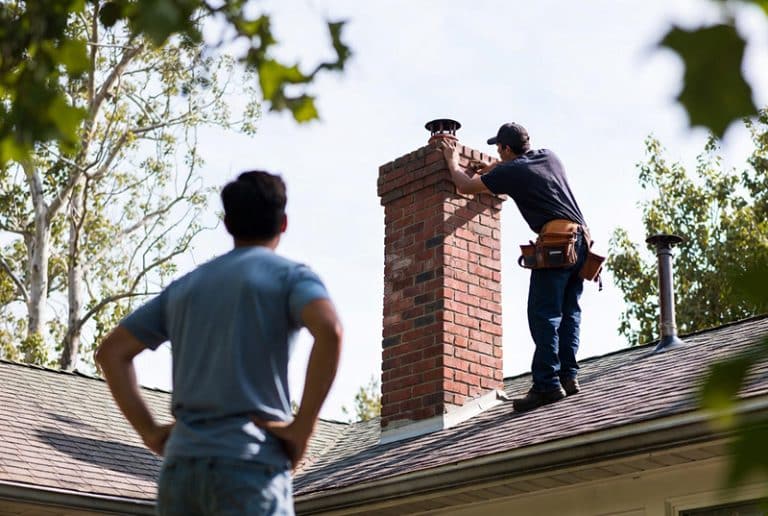
If you’ve never had your chimney inspected, or it’s been a while, you might be wondering what actually happens during the process. For Englewood homeowners, understanding what a Level I chimney inspection involves can save you from costly surprises and, more importantly, keep your family safe.
Every year, approximately 14,000 chimney fires occur across the United States, most of them caused by creosote buildup that could have been caught with routine inspections. We’ve seen firsthand how a simple annual checkup can prevent dangerous situations. In this guide, we’ll walk you through exactly what to expect from a Level I inspection, from start to finish.
What Is a Level I Chimney Inspection?
A Level I chimney inspection is the most basic and commonly performed type of chimney assessment. It’s designed for chimneys that are easily accessible and have been used consistently without any changes to the system. Think of it as your chimney’s annual wellness check.
During this inspection, our technician verifies that your fireplace and chimney structures are sound, free of obstructions, and clear of combustible deposits like creosote. We’re looking at all the readily accessible areas, no special tools, no tearing into walls, just a thorough visual examination of everything we can see and reach.
The National Fire Protection Association (NFPA) Code 211 recommends an annual inspection of all chimneys, fireplaces, and vents. The Chimney Safety Institute of America (CSIA) also strongly suggests an inspection whenever a property changes hands. These aren’t just suggestions we throw around, they’re industry standards designed to protect homeowners from preventable disasters.
You might hear these inspections called different things: condition reports, fireplace inspections, or inspection reports. Whatever the name, the goal is the same: visual detection of age, use, and wear that could lead to expensive repairs or unsafe conditions if left unaddressed.
When You Need a Level I Inspection
So when exactly should you schedule a Level I inspection? The short answer: at least once a year if you’re using your fireplace.
The CSIA recommends that homeowners who light fires in their fireplaces three or more times per week during the heating season should have their chimneys inspected and cleaned annually. Even if you only use your fireplace occasionally during Englewood’s cooler days and cold snaps, that annual checkup is still crucial.
Here are the most common situations that call for a Level I inspection:
- Annual maintenance – Your fireplace and chimney should be serviced yearly for safe and efficient operation
- Before selling your home – Buyers often request inspection reports, and having documentation ready can smooth the sale process
- After purchasing a home – Don’t assume the previous owner kept up with maintenance
- Following a chimney cleaning – All professional cleanings should include a Level I inspection to assess current conditions
- If it’s been more than 12 months – Even if you haven’t used the fireplace much, debris, animal nests, or moisture damage can accumulate
This level of inspection is appropriate when you’re planning to maintain your chimney’s current use. If you’ve made changes to your system or suspect hidden damage, you may need a more comprehensive Level II or Level III inspection.
What the Inspector Examines During a Level I Assessment
A Level I inspection covers all readily accessible portions of your chimney system. Our technicians work methodically through both interior and exterior components to build a complete picture of your chimney’s condition.
Interior Components
Inside your home, the inspector examines the firebox, damper, smoke chamber, and the visible portions of your flue liner. We’re checking for cracks, deterioration, and proper clearances from combustible materials.
The chimney liner gets special attention. This component protects the inside of your flue and directs combustion products safely outside. A cracked or missing liner is a serious safety concern, it can allow heat to transfer to nearby combustible materials and lets moisture damage your chimney’s masonry.
We also look for signs of creosote buildup. This highly flammable byproduct of combustion is the main reason chimney fires occur. When creosote accumulates on the chimney’s inside surface and ignites, the resulting fire can warp and crack the structure, exposing your home’s framework to devastating risk.
Blockages are another priority. Debris, fallen mortar, or animal nests can restrict airflow and cause carbon monoxide to leak into your home instead of venting properly.
Exterior and Visible Structural Elements
Outside, we examine the chimney crown, cap, and visible masonry. Cracks in the crown or missing caps allow water intrusion, which becomes a bigger problem during Englewood’s rainy summer months.
The flashing, where your chimney meets the roof, gets a close look too. Old, deteriorating, or damaged flashing creates gaps that let rainwater enter your home. When the rain comes and you notice moisture problems, improper flashing is often the culprit.
We also check for structural soundness, looking for leaning, separation from the house, or significant masonry deterioration.
How Long the Inspection Takes and What It Costs
A typical Level I inspection takes between 30 minutes to an hour, depending on your chimney’s accessibility and complexity. If you’re combining the inspection with a cleaning, which we recommend, plan for about an hour to 90 minutes total.
As for cost, Level I inspections in the Englewood area generally run between $100 and $250. Many chimney service companies, including ours, bundle the inspection with cleaning services at a combined rate. When you choose A Sweep Across the Bay for chimney cleaning, we include a thorough Level I inspection as part of the service.
Is it worth the investment? Consider this: each year, unsafe fireplaces and chimneys cause significant numbers of injuries and deaths and account for more than $200 million in property losses nationwide. Carbon monoxide poisoning alone claims about 4,000 lives annually in the U.S., with another 10,000 people sickened by lower-level exposure.
A couple hundred dollars for peace of mind and early detection of problems seems pretty reasonable when you look at those numbers. Catching a small crack or moderate creosote buildup now is far cheaper than dealing with a chimney fire or major structural repair later.
Common Issues Found During Level I Inspections
After servicing thousands of customers over the years, we’ve seen patterns in what shows up during inspections. Here are the issues we encounter most frequently:
Creosote buildup – The number one finding. This tarry, flammable substance accumulates naturally with fireplace use and must be removed to prevent chimney fires.
Blockages and obstructions – Bird nests, leaves, fallen debris, and even the occasional animal. These create carbon monoxide hazards and fire risks.
Cracked or deteriorated flue liners – Liners wear out over time. Cracks allow dangerous gases to escape into your home and heat to reach combustible materials.
Damaged chimney caps or crowns – Missing or cracked caps let water, debris, and animals into your flue. Damaged crowns allow moisture to penetrate the masonry.
Flashing problems – When the seal between your chimney and roof fails, water damage to your home’s interior often follows.
Masonry deterioration – Cracks, spalling bricks, and crumbling mortar compromise structural integrity and create pathways for water infiltration.
Damper issues – Rusted, warped, or improperly sealing dampers affect energy efficiency and safe operation.
The good news? Most of these issues are repairable when caught early. That’s exactly why annual inspections matter so much, they let us address small problems before they become dangerous or expensive ones.
Conclusion
A Level I chimney inspection is straightforward, affordable, and essential for any Englewood homeowner who uses their fireplace. We check the readily accessible areas, identify potential hazards, and give you the information you need to keep your system running safely.
Your fireplace and chimney are important parts of your home heating system, make inspections a regular part of your maintenance schedule. Getting started is easy. Give A Sweep Across the Bay a call or complete our short appointment form to schedule your chimney inspection today.
