
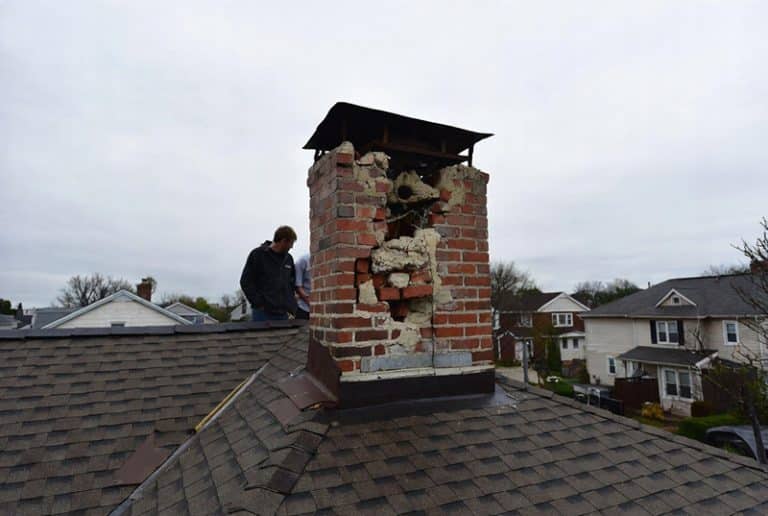
If you’ve noticed water stains near your fireplace or dampness around your chimney, there’s a good chance your chimney crown might be the culprit. Here in Tarpon Springs and throughout the Tampa Bay area, we see cracked chimney crowns more often than you’d expect. The combination of Florida’s intense sun, heavy rainstorms, and occasional temperature swings creates the perfect conditions for crown damage.
At A Sweep Across the Bay, we’ve been helping homeowners across Tampa Bay, Clearwater, St. Petersburg, and surrounding communities with chimney repairs for over 44 years. During that time, we’ve learned that a cracked chimney crown is one of those problems that starts small but can turn into a major headache if left alone. The good news? Catching it early makes repairs much simpler and more affordable. Let’s walk through what a chimney crown actually does, how to spot trouble, and what your options are for fixing it.
Key Takeaways
- A cracked chimney crown allows water to seep into your chimney, causing structural damage, mold growth, and potential fire hazards.
- Florida’s intense sun, heavy rain, and occasional freezing temperatures create ideal conditions for chimney crown damage in Tarpon Springs and Tampa Bay.
- Warning signs include water in your fireplace, staining on walls near the chimney, musty smells, and white efflorescence on bricks.
- Minor cracks can be sealed with waterproof coatings, but extensive damage requires a full crown replacement using reinforced concrete.
- Schedule annual chimney inspections and address small cracks early to prevent costly repairs down the road.
- A properly built chimney crown should be at least 4 inches thick, slope away from the flue, and extend 2–2.5 inches beyond the chimney walls.
What Is a Chimney Crown and Why Does It Matter?
Think of your chimney crown as a protective hat for your chimney. It’s the concrete or cement slab that sits on top of your chimney structure, covering everything except the flue opening itself. While a chimney cap covers just the flue opening (that’s where the smoke exits), the crown covers the entire top surface and extends about 2 to 2.5 inches beyond the chimney walls.
The crown’s job is pretty straightforward: keep water out. A properly built crown slopes slightly downward from the flue toward the edges, directing rain and moisture away from the masonry below. Most good crowns also have a drip edge underneath, which helps shed water onto the roof instead of letting it run down the chimney walls.
Why does this matter so much? Because water is the enemy of chimneys. When moisture gets into brick, mortar, or the flue liner, bad things happen. We’re talking about:
- Structural damage to the masonry and mortar joints
- Mold and mildew growth inside your flue system
- Rust and corrosion on metal components like dampers
- Deterioration of the flue liner, which can create fire hazards
- Interior water damage that shows up around your fireplace or ceiling
The crown is your first line of defense against all of this. When it cracks, that defense fails, and water starts finding its way into places it shouldn’t be.
Common Causes of Chimney Crown Cracks
Understanding why crowns crack can help you prevent problems down the road. Here in Tarpon Springs and throughout Tampa Bay, we see two main categories of crown damage.
Weather and Climate Factors in Tarpon Springs
Florida weather isn’t kind to chimney crowns. You might not think of our climate as harsh, but it presents some unique challenges.
Our heavy summer rainstorms dump significant water on chimneys in short periods. That constant moisture exposure breaks down concrete and cement over time. And while we don’t get the severe freeze-thaw cycles that northern states experience, we do get occasional cold snaps. When temperatures drop below freezing (yes, it happens here), any water that’s seeped into small cracks expands as it freezes. This pushes the cracks wider, and the cycle repeats.
The Florida sun also plays a role. Intense UV exposure and heat cause concrete to expand and contract regularly. Over years, this thermal cycling weakens the material and encourages cracking.
Hurricane season adds another layer of stress. High winds can damage crowns directly, and the associated heavy rains test every weakness in your chimney‘s waterproofing.
Poor Construction and Aging Materials
Honestly, a lot of chimney crown problems we see in Largo, Bradenton, Sarasota, and the surrounding areas trace back to how the crown was built in the first place.
Many older homes have crowns that were constructed with regular mortar instead of proper concrete mix. Mortar just isn’t designed to handle the exposure that a crown faces. It’s too porous and breaks down much faster than concrete.
Other construction issues we commonly find include:
- Insufficient thickness: A good crown should be at least 4 inches thick. Many are much thinner.
- Lack of reinforcement: Quality crowns use wire mesh reinforcement for added strength.
- Improper slope: If the crown is flat or slopes toward the flue instead of away from it, water pools instead of draining.
- Missing overhang: Without adequate extension beyond the chimney walls, water runs straight down the masonry.
Age is simply a factor too. Even well-built crowns have a lifespan. If your home in Palm Harbor, Venice, or Plant City is 20 or more years old and the crown has never been replaced, it’s probably showing some wear.
Warning Signs of a Cracked Chimney Crown
Catching crown damage early saves money and prevents bigger problems. Here’s what to look for.
Visible Cracks and Deterioration
The most obvious sign is seeing cracks in the crown itself. Now, unless you’re comfortable climbing on your roof (and we don’t recommend it for most homeowners), you might not be able to inspect the crown directly. But you can often spot problems from the ground with binoculars, or you might notice pieces of concrete or cement debris around the base of your chimney.
During inspections, we look for:
- Hairline cracks: Small but significant because they let water in
- Large fractures: More serious and usually indicate advanced deterioration
- Spalling: Where chunks of concrete are flaking or breaking off
- Missing sections: Gaps where pieces of the crown have fallen away entirely
- Separation: Where the crown has pulled away from the flue tiles
Even small cracks matter. Water finds its way in, freezes, expands, and makes the cracks bigger. It’s a cycle that accelerates over time.
Water Damage and Moisture Issues
Sometimes the first clues show up inside your home rather than on the chimney itself. If you notice any of the following, crown damage could be the cause:
- Water in your fireplace: Puddles or dampness in the firebox after rain
- Staining on walls or ceiling: Water marks near the chimney area
- Musty smells: Mold or mildew growing inside the flue system
- Rust on the damper: Your damper shouldn’t be exposed to water
- White staining on brick: Called efflorescence, this indicates moisture moving through masonry
- Damaged wallpaper or paint: Near the chimney on interior walls
If you notice rainfall coming inside or any signs of water around your fireplace, don’t wait. Water damage compounds quickly. At A Sweep Across the Bay, we recommend scheduling an inspection right away when you spot these warning signs. We serve homeowners throughout Tampa Bay, from Clearwater down to Port Charlotte and everywhere in between.
How to Fix a Cracked Chimney Crown
The right repair approach depends on how severe the damage is. Let’s break down the options.
Minor Crack Repairs
For small, hairline cracks where the crown is otherwise in good condition, a sealant application can extend the crown’s life. This involves:
- Cleaning the crown thoroughly to remove dirt and debris
- Applying a specialized crown coating or sealant
- Ensuring proper coverage over all crack areas
Crown sealants are flexible, waterproof coatings designed specifically for this purpose. They bond to the concrete and create a protective barrier against moisture. A good sealant job can add years to a crown’s lifespan when the underlying structure is still sound.
But, we want to be honest with you: sealant is a temporary solution for minor issues. It won’t fix structural problems, and it won’t help much if the crown was poorly built to begin with. Think of it as buying time rather than solving the problem permanently.
Full Crown Replacement
When damage is extensive, or when the original crown was improperly constructed, replacement is the better investment. A full crown replacement involves:
- Removing the old, damaged crown completely
- Inspecting the underlying chimney structure for additional damage
- Building a new crown using proper materials and techniques
A quality replacement crown should be:
- Made of concrete (not mortar) with appropriate bonding agents
- Reinforced with wire mesh for strength and crack resistance
- At least 4 inches thick at the thinnest point
- Sloped to direct water away from the flue
- Extended 2 to 2.5 inches beyond the chimney walls with a drip edge
Yes, replacement costs more than sealing. But it addresses the root cause and gives you decades of protection rather than a few years. For homes in Siesta Key, Osprey, Englewood, and other coastal areas where weather exposure is intense, investing in a proper crown replacement usually makes the most sense.
One more thing: when we’re up there doing crown work, we also check the chimney cap, flashing, and visible masonry. These components work together, and it’s efficient to address multiple issues at once if they exist.
Preventing Future Chimney Crown Damage
Once you’ve got a healthy crown, whether through repair or replacement, protecting that investment is straightforward.
Schedule regular inspections. The National Fire Protection Association recommends annual chimney inspections. We know, it’s easy to forget about your chimney when you’re not using it regularly. But catching small cracks before they become big problems is the whole point. Here in Lakeland, Brandon, Auburndale, and throughout the Tampa Bay region, we recommend inspections in late summer or early fall, before you start using your fireplace for the season.
Install a quality chimney cap. A chimney cap covers the flue opening and keeps direct rainfall out of the chimney interior. It also keeps out animals, debris, and downdrafts. While the cap doesn’t protect the crown itself, it reduces the overall moisture load on your chimney system.
Address flashing issues promptly. The flashing is the metal barrier where your chimney meets the roof. Damaged or improperly installed flashing lets water into your home at the roofline. We often find crown damage alongside flashing problems because both involve water infiltration.
Don’t ignore small problems. That tiny crack you notice today will be a bigger crack next year. Sealant applications on early damage are much cheaper than crown replacement on advanced damage.
Keep trees trimmed. Overhanging branches drop debris on your chimney and can cause physical damage during storms. They also keep the area shaded and damp, which accelerates deterioration.
Watch for warning signs. Now that you know what to look for, keep an eye out for water stains, musty smells, or visible debris around your chimney base. Early detection makes all the difference.
Conclusion
A cracked chimney crown might seem like a minor issue, but it’s often the starting point for much bigger problems. Water damage to your flue liner, damper, and masonry can turn a simple repair into a costly project. The good news is that crown damage is both preventable and fixable when you catch it early.
If you’re in Tarpon Springs, Port Richey, Palm Harbor, or anywhere else in the Tampa Bay area and you’ve noticed signs of chimney trouble, don’t wait to get it checked out. A Sweep Across the Bay has been serving our neighbors throughout the region for over 44 years. We’re a family-owned business, and we take pride in doing the job right the first time.
Give us a call or complete our appointment form to schedule your chimney inspection. We’ll take a close look at your crown, flashing, liner, and overall chimney condition, then give you honest recommendations about what needs to be done. Whether you need a simple sealant application or a full crown replacement, we’ve got the experience to handle it.
Frequently Asked Questions
What is a chimney crown and what does it do?
A chimney crown is a concrete or cement slab that sits on top of your chimney, covering everything except the flue opening. It slopes downward to direct rainwater away from the masonry below, serving as your chimney’s first line of defense against water damage and moisture infiltration.
What are the warning signs of a cracked chimney crown?
Common signs include visible cracks or concrete debris near your chimney base, water in your fireplace after rain, staining on walls or ceilings near the chimney, musty odors from mold growth, rust on your damper, and white staining (efflorescence) on brickwork indicating moisture problems.
Can a cracked chimney crown be repaired or does it need replacement?
Minor hairline cracks can be repaired with specialized crown sealants that create a waterproof barrier. However, extensive damage or poorly constructed crowns require full replacement. Sealant is a temporary solution, while replacement with reinforced concrete provides decades of protection.
How much does it cost to fix a cracked chimney crown?
Repair costs vary based on damage severity. Sealant applications for minor cracks are more affordable but temporary. Full crown replacement costs more but addresses root causes and lasts longer. Getting an inspection helps determine which option is most cost-effective for your situation.
How often should I have my chimney crown inspected?
The National Fire Protection Association recommends annual chimney inspections. Schedule inspections in late summer or early fall before fireplace season begins. Regular inspections catch small cracks before they become major problems, saving money on costly repairs.
Why do chimney crowns crack in Florida’s climate?
Florida’s heavy rainstorms, intense UV exposure, and occasional freezing temperatures create ideal conditions for crown damage. Thermal cycling causes concrete to expand and contract, while moisture seeping into small cracks expands when frozen, widening the damage over time.
