
There’s something undeniably comforting about a crackling fire on a cold Englewood evening. But here’s a sobering reality that we think every homeowner should know: carbon monoxide poisoning claims approximately 4,000 lives in the U.S. each year, and an additional 10,000 people suffer illness from lower-level exposure. Many of these cases trace back to one often-overlooked source, the chimney.
We’re not sharing this to scare you. We’re sharing it because most chimney-related carbon monoxide incidents are entirely preventable with proper maintenance and awareness. Your fireplace and chimney system play a crucial role in your home‘s heating, but when neglected, they can silently transform from a source of warmth into a serious health hazard.
In this guide, we’ll walk you through everything Englewood homeowners need to know about carbon monoxide risks, chimney maintenance, and the practical steps you can take to keep your family safe throughout the heating season and beyond.
Understanding Carbon Monoxide Risks in Your Home
Carbon monoxide is often called the “silent killer,” and that nickname isn’t an exaggeration. This colorless, odorless gas is produced whenever fuel burns incompletely, whether that’s wood in your fireplace, natural gas in your furnace, or propane in your water heater. The problem? You can’t see it, smell it, or taste it. By the time symptoms appear, exposure may have already reached dangerous levels.
When your chimney functions properly, it channels combustion byproducts, including carbon monoxide, safely out of your home and into the atmosphere. But when something goes wrong with that ventilation pathway, CO can seep back into your living spaces. And here’s what makes it particularly insidious: low-level exposure often mimics flu symptoms, leading many people to dismiss early warning signs.
The statistics paint a clear picture of just how serious this issue is. Each year, unsafe fireplaces and chimneys cause significant injuries and deaths while accounting for more than $200 million in property losses nationwide. Most cases of carbon monoxide poisoning stem from inadequate ventilation, poor appliance maintenance, or blocked and leaky flues. In other words, they’re problems that routine care could have prevented.
For Englewood homeowners who rely on their fireplaces during our chilly winters, understanding these risks isn’t optional, it’s essential. Your chimney isn’t just a decorative feature: it’s a critical safety system that requires regular attention.
How Chimneys Contribute to Carbon Monoxide Buildup
Your chimney’s primary job is simple: move dangerous gases out of your home. When everything works as designed, the natural draft created by rising hot air pulls smoke, carbon monoxide, and other combustion byproducts up and out through the flue. But several factors can disrupt this process, turning your chimney into a carbon monoxide liability rather than a safety feature.
The relationship between chimney health and indoor air quality is direct. A compromised flue doesn’t just reduce heating efficiency, it can literally push toxic gases back into your living space. This is called backdrafting, and it’s more common than most homeowners realize. Negative pressure inside the home, structural damage to the chimney liner, or obstructions in the flue can all trigger this dangerous reversal of airflow.
Common Causes of Chimney-Related CO Problems
Blockages represent one of the most frequent culprits we encounter. Birds, squirrels, and other animals often view chimneys as ideal nesting spots, especially during spring and summer when the fireplace sits dormant. Come fall, homeowners fire up their first blaze of the season without realizing a family of starlings has set up residence in the flue. The result? Smoke and carbon monoxide have nowhere to go but back into the house.
Creosote buildup presents another serious concern. This tar-like substance accumulates naturally as wood burns, coating the interior walls of your chimney over time. Beyond being a fire hazard, heavy creosote deposits can restrict airflow and impede proper venting. The Chimney Safety Institute of America recommends that homeowners who use their fireplaces three or more times weekly during heating season should have their chimneys inspected and cleaned annually.
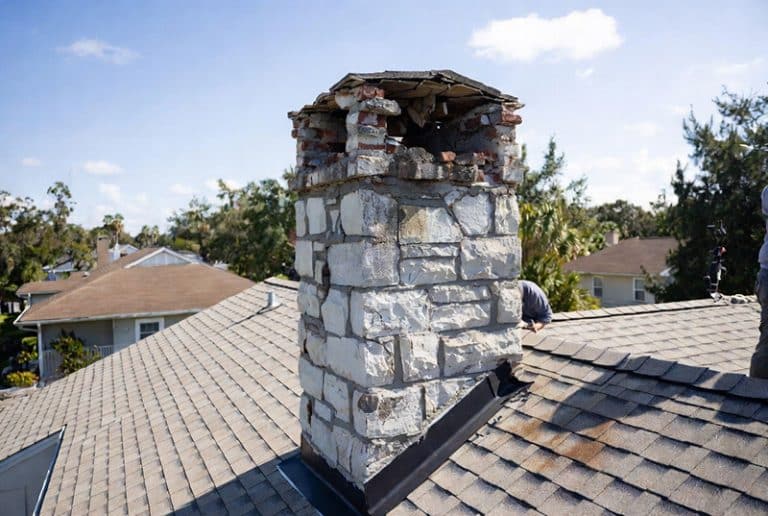
Structural deterioration poses longer-term risks. Cracks in the flue liner, damaged mortar joints, or a degraded chimney cap can all allow carbon monoxide to leak into your home through gaps that weren’t there when the chimney was new. Weather, age, and the repeated heating-cooling cycle take their toll on masonry and metal components alike.
Finally, improper installation or modifications, whether from DIY projects or unqualified contractors, can create ventilation problems that persist for years before anyone notices. We’ve seen chimneys where the flue size doesn’t match the appliance, where dampers were installed incorrectly, or where previous “repairs” actually made things worse.
Warning Signs of Carbon Monoxide Exposure
Recognizing the symptoms of carbon monoxide exposure could save your life, or the life of someone you love. The tricky part is that early symptoms often mimic other common illnesses, which is why CO poisoning frequently goes undetected until it becomes severe.
Mild exposure typically produces headaches, dizziness, and fatigue. You might feel nauseous or slightly disoriented. Many people assume they’re coming down with a cold or the flu. Here’s a telltale clue, though: if multiple family members develop similar symptoms around the same time, and those symptoms improve when you leave the house, carbon monoxide should be high on your list of suspects.
Moderate exposure intensifies these effects. Headaches become throbbing and persistent. Confusion sets in. You may experience shortness of breath, blurred vision, or difficulty concentrating. Some people report feeling unusually drowsy or weak.
Severe exposure is a medical emergency. Victims may lose consciousness, experience seizures, or suffer permanent brain damage. At very high concentrations, carbon monoxide can be fatal within minutes.
Pets often show symptoms before humans do, since they’re smaller and breathe faster relative to their body size. If your dog or cat seems unusually lethargic, disoriented, or has difficulty breathing, especially during fireplace season, don’t dismiss it as coincidence.
Physical signs around your fireplace can also indicate problems. Soot stains on the walls or ceiling near the hearth, a pilot light that frequently goes out, or visible rust or water streaks on your chimney exterior all warrant investigation. Yellow or orange flames (instead of blue) on gas appliances suggest incomplete combustion and potential CO production.
If you ever suspect carbon monoxide exposure, get everyone, including pets, out of the house immediately. Move to fresh air, call 911, and don’t re-enter until emergency responders have confirmed it’s safe.
Essential Chimney Safety Checklist for Englewood Homeowners
Protecting your household from chimney-related carbon monoxide risks doesn’t require complicated expertise. It does require consistent attention and a commitment to regular maintenance. We’ve put together this practical checklist specifically for Englewood homeowners who want to keep their families safe.
Annual Inspection and Cleaning Requirements
NFPA Code 211, the National Fire Protection Association’s standard for chimney safety, recommends annual inspections of all chimneys, fireplaces, and vents. This isn’t arbitrary bureaucratic advice: it’s based on decades of fire safety research and real-world incident data.
During a professional inspection, a qualified technician will verify that your chimney is free of obstructions and combustible deposits. They’ll examine the flue liner for cracks or deterioration, check the damper operation, assess the chimney cap and crown, and look for signs of water damage or structural issues.
The Chimney Safety Institute of America also strongly suggests an inspection upon the sale or transfer of any property. If you’ve recently purchased a home in Englewood, or you’re preparing to sell, don’t skip this step. Previous owners may have deferred maintenance, and problems aren’t always visible to the untrained eye.
How often should you schedule a cleaning? That depends on usage. If you’re lighting fires three or more times per week during the heating season, annual cleaning is a must. Less frequent users may be able to stretch intervals slightly, but an inspection should still happen every year to catch developing problems early.
Proper Carbon Monoxide Detector Placement
Carbon monoxide detectors are your last line of defense, and placement matters more than many people realize. At minimum, install a detector on every level of your home and within 10 feet of each sleeping area. CO tends to mix evenly with air rather than rising or sinking, so mounting height is less critical than it is for smoke detectors, but following manufacturer guidelines is always smart.
Test your detectors monthly by pressing the test button until the alarm sounds. Replace batteries at least once a year (many people do this when daylight saving time changes as a memory aid). And here’s a detail that often gets overlooked: CO detectors have a limited lifespan. Most should be replaced every 5-7 years, regardless of whether they’ve ever alarmed. Check the manufacture date on yours.
Consider upgrading to combination smoke/CO detectors with digital displays that show current CO levels, not just alarms that trigger at dangerous thresholds. These give you early warning of low-level accumulation before it becomes an emergency.
Seasonal Maintenance Tips for Chimney Safety
Chimney care isn’t a once-a-year task you can forget about. Different seasons bring different challenges, and staying ahead of them keeps your system functioning safely year-round.
Before heating season begins (typically late summer or early fall in Englewood), schedule your annual inspection and cleaning. Don’t wait until the first cold snap when every chimney professional in the area is booked solid. This is also the time to check your chimney cap, if it’s damaged, missing, or clogged with debris, animals and moisture have had all summer to cause problems inside your flue.
During the heating season, burn only seasoned hardwood that’s been dried for at least six months. Wet or green wood produces more smoke and creosote, accelerating buildup and increasing both fire and CO risks. Never burn trash, cardboard, or treated lumber, these release toxic chemicals and can damage your chimney liner.
Keep the area around your fireplace clear of flammable materials. Make sure your damper opens and closes fully before each use. And pay attention to how fires burn: excessive smoke backing into the room, difficulty getting fires started, or unusual odors all suggest ventilation problems that need professional attention.
After heating season ends, consider having your chimney cap inspected or installing a cap with mesh screening if you don’t already have one. This prevents animals from nesting during the months when your chimney sits dormant. It’s also a good time to address any repairs identified during your fall inspection, contractors often have more availability and may offer better pricing during the off-season.
Year-round, keep an eye on the exterior of your chimney. Crumbling mortar, leaning structure, white staining (called efflorescence), or visible cracks all indicate moisture damage or structural issues that can affect interior safety. Catching these problems early typically means simpler, less expensive repairs.
When to Call a Professional Chimney Technician
Some chimney maintenance tasks fall squarely in the DIY category, testing your CO detectors, clearing debris from around the hearth, or visually inspecting your chimney cap from ground level. But knowing when to call in professional help can mean the difference between a minor repair and a major safety incident.
Call a professional immediately if you notice any of the following:
- Visible damage to the chimney structure, including cracks, gaps, or leaning
- Water stains or moisture inside your firebox or on nearby walls
- Unusual odors coming from the fireplace, even when not in use
- Smoke entering your home instead of venting properly
- A CO detector alarm, even if symptoms aren’t present
- Animals or nesting materials visible in or around the chimney
- Difficulty opening or closing the damper
- More than a year since your last professional inspection
When selecting a chimney technician, look for credentials from recognized organizations like the Chimney Safety Institute of America (CSIA). Certified professionals have demonstrated knowledge of proper inspection techniques, safety standards, and repair methods. They carry appropriate insurance and can identify problems that untrained eyes might miss.
Be wary of unsolicited offers from contractors who “happen to be in the neighborhood” or pressure you into immediate expensive repairs. Reputable professionals will explain their findings clearly, provide written estimates, and give you time to make informed decisions.
For Englewood homeowners, establishing a relationship with a trusted local chimney service means you’ll have someone to call when questions arise, and they’ll have familiarity with your specific system’s history and quirks.
Conclusion
Carbon monoxide doesn’t announce itself. It doesn’t knock on your door or give you a second chance. But the good news is that chimney-related CO dangers are almost entirely preventable when you take the right precautions.
We’ve covered a lot of ground here, from understanding how carbon monoxide infiltrates homes through compromised chimneys, to recognizing warning signs, to building a practical maintenance routine that keeps risks at bay. The core message is straightforward: annual inspections, regular cleaning, proper detector placement, and prompt attention to problems aren’t just recommendations. For Englewood homeowners who use their fireplaces, they’re essential.
Your fireplace should be a source of warmth and comfort, not worry. By making chimney safety a regular part of your home maintenance schedule, you protect your family, maintain your system’s efficiency, and preserve the peace of mind that comes with knowing you’ve done things right.
Don’t wait for the first cold night to think about your chimney. Schedule that inspection, test those detectors, and take control of your home’s safety today.
